
The History of Pasteurization: How Filthy Dairies Changed Milk Forever
Pasteurization was created to solve a real problem: contaminated milk from filthy, disease-ridden urban dairies. It helped stop a public-health crisis, but it also changed what milk meant for modern families.
This is the story of swill dairies, clean milk reformers, industrial dairy, and why traditional fermented foods like Maziwa Mala still matter today.
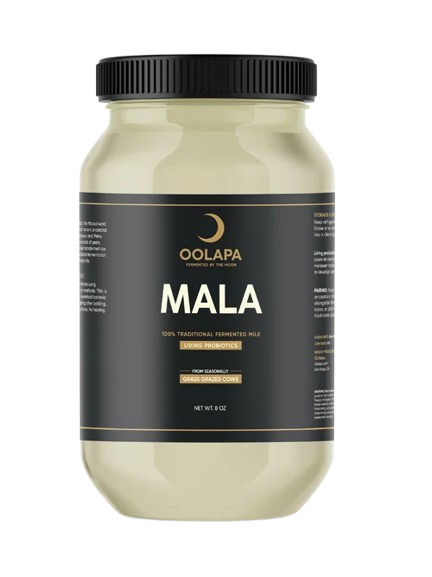
Oolapa Maziwa Mala
A bold, tangy, traditional African fermented milk made with grass-grazed milk, charcoal fermentation, wild cultures, and no added sugar.
Pasteurization Was Not Invented Because Traditional Milk Was Broken
Pasteurization became a milk solution because the modern city created a modern dairy problem. As urban populations grew, cities needed a constant supply of fresh milk, but refrigeration, sanitation, animal health, and distribution systems were not ready.
In New York and other industrial cities, cows were sometimes kept in cramped urban stalls, fed distillery waste, and milked in conditions far removed from pasture-based dairying.
Heating milk helped protect families from contaminated supply chains. But it also shifted the question from “How do we produce clean, nourishing milk?” to “How do we sterilize milk after the system damages it?”
The big lesson: source quality matters before processing begins.
Milk from healthy, grass-grazed animals handled cleanly and fermented traditionally is a different food story than industrial milk rescued by a kill step.
How Traditional Societies Kept Milk Usable
Long before industrial milk plants, pastoral cultures relied on animal health, clean handling, and fermentation to make dairy part of daily life.
Healthy Animals
Traditional dairy started with grass-fed, free-roaming animals living under lower-stress conditions.
- Pasture and forage diets
- Fresh air and movement
- Closer observation of sick animals
Clean Handling
Milk was usually produced at small scale and consumed locally, reducing long storage and distribution pressure.
- Hand milking into clean vessels
- Immediate use or cooling
- Family or local community scale
Fermentation
Fermentation transformed fresh milk into longer-lasting, tangier, more complex foods.
- Yogurt, cheese, kefir, and soured milks
- Lower pH and changed texture
- Traditional knowledge passed down over time
The Rise of Urban Dairies: A Public-Health Nightmare
As cities industrialized, dairy moved from pasture to crowded urban operations built for volume rather than animal health.
The Swill Dairy Pattern
- Cows confined in tight city spaces
- Animals fed hot distillery waste called swill
- Little sunlight, grass, or fresh air
- Poor sanitation and weak cooling systems
- Milk sometimes diluted or adulterated for profit
The Traditional Dairy Pattern
- Animals grazing on pasture and forage
- Small-scale, local milk handling
- Cleaner vessels and shorter supply chains
- Immediate use, cooling, or fermentation
- Dairy treated as a living food, not a commodity
Pasteurization solved a real crisis — but the crisis was created by industrial conditions.
The question is not whether contaminated milk was dangerous. It was. The deeper question is whether modern dairy should rely on heating alone, or whether clean sourcing and traditional fermentation deserve a comeback.
Clean Up the Source or Sterilize the Product?
Reformers did not all agree on the best answer. One side focused on clean dairies. The other focused on heating milk before families drank it.
Movement 1: Certified Clean Milk
- Strict sanitation standards for dairy farms
- Pasture access and healthier animals
- Veterinary inspection and milk testing
- Trained workers and better hygiene
- Immediate chilling after milking
Movement 2: Pasteurization
- Heat milk to reduce dangerous microbes
- Fast public-health response for cities
- Compatible with industrial dairy volume
- Less need to reform every farm first
- Simple message: heated milk is safer milk
Clean Milk Was Harder
It required better farms, stricter handling, more accountability, and higher costs across the supply chain.
Heating Was Faster
Pasteurization could be applied quickly, especially when cities needed an urgent answer to milkborne disease.
Industry Could Scale It
Heat treatment fit centralized processing, longer distribution, and large dairy systems more easily than small-farm reform.
The Science of Pasteurization
Pasteurization uses heat to reduce pathogens in milk. Different methods use different temperatures and time periods.
LTLT / Vat
Low-temperature, long-time pasteurization often uses about 145°F / 63°C for 30 minutes. It is slower and less common commercially.
HTST
High-temperature, short-time pasteurization often uses about 161°F / 72°C for 15 seconds and is common in commercial milk.
UHT
Ultra-high-temperature processing uses much higher heat for a very short time to create shelf-stable milk.
What It Helps
Heat treatment reduces harmful microbes such as tuberculosis bacteria, Salmonella, E. coli, Campylobacter, and Listeria.
What It Changes
Heating can also alter milk’s living microbial character, enzymes, delicate proteins, and some heat-sensitive nutrients.
Pasteurization does not judge bacteria. It heats the whole ecosystem.
That is why the debate is not simply “safe or unsafe.” It is about safety, nutrition, source quality, consumer choice, and whether traditional fermented dairy can exist outside the industrial model.
What Pasteurization Can Remove, Reduce, or Alter
Heating milk is useful for food safety, but it can also change the living and nutritional character of dairy.
Harmful Microbes
Pasteurization’s main purpose is to reduce disease-causing organisms that can exist in contaminated milk.
- Important for public health
- Especially useful in large-scale supply chains
- Does not replace clean handling after processing
Beneficial Bacteria
Heat treatment also reduces bacteria that contribute to the living character of raw and traditionally fermented dairy.
- Lactobacillus and other lactic acid bacteria
- Wild microbial diversity
- Traditional fermentation ecosystem
Digestive Enzymes
Heat can inactivate enzymes naturally present in raw milk, including enzymes involved in fat and sugar digestion.
- Lactase activity may be reduced
- Lipase can be inactivated
- Phosphatase is used as a pasteurization marker
Heat-Sensitive Nutrients
Some vitamins are more heat-sensitive than others, especially vitamin C and certain B vitamins.
- Vitamin C can decline
- Some B vitamins may be affected
- Fat-soluble vitamins are generally more stable
Protein Structure
Heating can unfold or denature some milk proteins, changing texture, behavior, and how milk performs in fermentation.
- Whey proteins can be affected
- Texture and flavor may change
- Traditional dairy artisans often care deeply about this
Living Dairy Character
Traditional raw fermented dairy can have a bold, tangy, complex flavor that is difficult to recreate after heavy processing.
- More complex souring patterns
- Stronger connection to place and source
- Better fit for ancestral fermented foods
Want Dairy That Feels Closer to Tradition?
Oolapa Maziwa Mala brings together grass-grazed milk, wild cultures, charcoal fermentation, and no added sugar — inspired by the older world of living fermented dairy.
The Unintended Consequences of the Pasteurization Era
Pasteurization helped solve a deadly problem, but critics argue it also shaped dairy in ways that changed nutrition, farming, culture, and consumer choice.
Dairy Became Industrial
Heating made it easier to centralize milk from many farms, move it long distances, and sell it through large supply chains.
Source Quality Was Hidden
Consumers were taught to focus on whether milk was heated, not whether the animals were healthy, grass-fed, and handled cleanly.
Small Dairies Lost Ground
Equipment costs and regulatory pressure favored large processors while small, transparent farms became harder to maintain.
Fermentation Was Standardized
Wild fermentation gave way to selected commercial cultures, shorter timelines, and more predictable but less complex dairy products.
Raw Milk Culture Faded
Within a few generations, raw milk shifted from normal traditional food to something many consumers were taught to fear.
Living Foods Became Rare
The more milk moved through industrial systems, the more people lost access to older fermented dairy traditions.
The goal is not to ignore food safety. The goal is to ask better questions.
Instead of asking only whether milk has been heated, we can ask: Where did it come from? What did the animal eat? How clean was the handling? Was it fermented traditionally? Is the product transparent about its process?
The Politics of Pasteurization
Once pasteurization became the default, milk became easier to centralize, regulate, transport, and sell at industrial scale.
Large Processors Benefited
- Longer shelf life and wider distribution
- Centralized plants and bigger supply chains
- Ability to blend milk from many farms
- High barriers for smaller competitors
Small Farms Struggled
- Expensive equipment requirements
- Loss of direct-to-consumer raw milk channels
- Pressure to sell to processors at lower margins
- Less room for local dairy culture
Consumers Lost Nuance
- Raw milk became framed as dangerous by default
- Pasteurized milk became framed as safe by default
- Milk source quality became less visible
- Traditional fermentation knowledge declined
Pasteurized Milk Can Still Fail if the System Fails
Pasteurization is a powerful safety step, but it is not a magic shield. Milk can still be contaminated after heat treatment during processing, bottling, transport, or storage.
That is why clean handling matters at every stage. Heat treatment can reduce pathogens in milk, but it cannot replace a responsible supply chain.
Traditional dairy systems solved the problem differently: healthy animals, clean local handling, immediate use, cooling, and fermentation.
Safety is not one step. It is a whole system.
Whether milk is raw, pasteurized, or fermented, quality begins with animal health, hygiene, temperature control, and transparent production.
Why This History Matters for Maziwa Mala
Maziwa Mala belongs to the older world of dairy — a world where milk was not treated as a sterile industrial liquid, but as a living food transformed by culture, vessel, time, and place.
Traditional African fermented milk was shaped by cattle, grass, migration, seasonality, community, and fermentation knowledge passed down across generations.
- Grass-grazed milk for a stronger connection to cattle’s natural diet
- Wild fermentation for depth, tang, and living character
- Charcoal fermentation for ancestral method and bold flavor
- No added sugar for a cleaner traditional dairy experience
Ready to Taste Maziwa Mala?
Bold, tangy, alive, and rooted in traditional African fermented dairy.
The Global Picture: Not Every Food Culture Chose the Same Path
Raw milk and raw milk cheeses remain part of many traditional food cultures, though regulations vary widely by country, region, and product type.
Europe
Many European food cultures continue to protect raw milk cheeses and traditional dairy methods as part of culinary heritage.
Africa
Pastoral communities across Africa have long valued fermented milk traditions tied to cattle, grasslands, and community life.
United States
Raw milk laws vary by state, while pasteurization remains the dominant default for mainstream retail milk.
Traditional dairy is not nostalgia. It is a different philosophy.
It asks consumers to care about the animal, the land, the vessel, the fermentation process, and the people making the food.
Why People Are Returning to Traditional Dairy
The modern raw and fermented dairy revival is about taste, transparency, ancestral nutrition, and supporting small-scale food systems.
People Want Source Transparency
- Know the farm or producer
- Understand animal feed
- Choose pasture-based systems
- Avoid anonymous industrial milk
People Want Living Foods
- Fermented dairy with depth
- More complex tang and aroma
- Traditional cultures and vessels
- Less sweet, less processed dairy
People Want Food Sovereignty
- More small farms and local producers
- More informed consumer choice
- Less dependence on mega-dairies
- Respect for ancestral foodways
What Pasteurization Got Right — and What It Could Not Replace
A balanced history recognizes both sides: pasteurization saved lives, but it also became a shortcut around deeper dairy reform.
What It Got Right
- Helped stop a dangerous urban milk crisis
- Reduced major milkborne pathogens
- Made city milk distribution easier
- Created a fast public-health intervention
- Protected consumers when source quality was poor
What It Could Not Replace
- Healthy, grass-fed animals
- Clean, transparent farm practices
- Small-scale dairy relationships
- Wild fermentation and traditional culture
- Consumer understanding of source quality
Pasteurization has a place. But it should not end the conversation.
The future of dairy can include safety, transparency, fermentation, pasture-based animal care, and consumer choice. Oolapa exists for people who want to rediscover dairy’s deeper roots.
Choose the Older Dairy Story
Discover Oolapa Maziwa Mala — traditional African fermented milk made with grass-grazed milk, charcoal fermentation, wild cultures, and zero added sugar.
Frequently Asked Questions
Quick answers about pasteurization history, swill dairies, raw milk, fermented dairy, and Oolapa Maziwa Mala.
What is pasteurization?
Pasteurization is a heat-treatment process used to reduce harmful microbes in milk. Common methods include low-temperature long-time pasteurization, high-temperature short-time pasteurization, and ultra-high-temperature processing.
Why was pasteurization created for milk?
Pasteurization became popular during urban dairy crises, when crowded city dairies, poor sanitation, diseased animals, and weak refrigeration made contaminated milk a major public health problem.
What were swill dairies?
Swill dairies were urban dairy operations where cows were often confined in poor conditions and fed distillery waste. The milk could be contaminated, diluted, or poor in quality, which helped drive calls for reform.
Is pasteurization bad?
Pasteurization solved a serious food-safety problem and remains important for large-scale milk distribution. The debate is about what can be lost when heat treatment replaces clean sourcing, pasture-based animal care, and traditional fermentation.
Why does fermentation matter in traditional dairy?
Fermentation was one of the oldest ways to preserve milk. It changes flavor, texture, acidity, and microbial character, creating foods such as yogurt, kefir, cheese, and traditional Maziwa Mala.
How is Oolapa Maziwa Mala connected to this history?
Oolapa Maziwa Mala is positioned around traditional African fermented milk principles: grass-grazed milk, wild fermentation, charcoal fermentation, and no added sugar.
Where can I buy Oolapa Maziwa Mala?
You can buy Oolapa Maziwa Mala through the official Oolapa product page.
Note: This article is for educational and product discovery purposes only and is not medical advice. Raw or fermented dairy may not be appropriate for everyone, especially pregnant people, young children, older adults, or anyone with a weakened immune system. Always follow local food-safety guidance and check the official Oolapa product page for current ingredients, availability, storage guidance, and ordering details.