
Goat Milk for Babies: Why It’s Easier to Digest — and What Parents Must Know First
Goat milk has been valued for centuries because it can form smaller, softer curds than cow milk and may feel gentler for sensitive digestion.
But safety comes first: babies under 12 months need breast milk or properly regulated infant formula. This guide explains where goat milk fits, what modern formula gets right, and why traditional fermented dairy still matters.
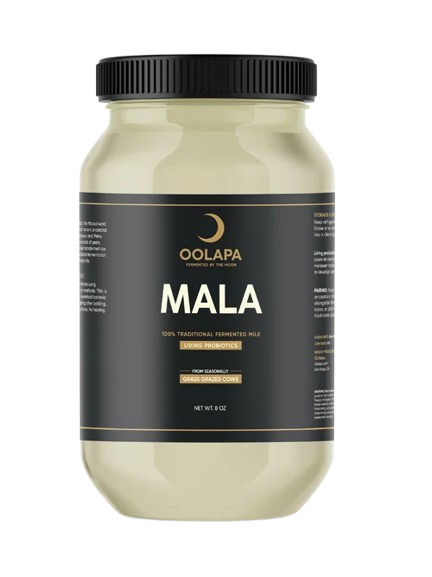
Oolapa Maziwa Mala
A bold, tangy fermented milk rooted in African dairy tradition, made for people who want a deeper alternative to ordinary sweetened yogurt.
Not infant formula. Not a substitute for breast milk or regulated infant formula.
Goat Milk Is Gentle Dairy — But Age Matters
When a mother cannot breastfeed, the standard recommendation is infant formula. Modern formula is heavily regulated, fortified, and designed to provide complete nutrition during the first year of life.
Goat milk enters the conversation because, compared with cow milk, it has smaller fat globules, softer curd formation, and protein characteristics that many families associate with easier digestion.
The mistake is turning that into a blanket claim that straight goat milk is “perfect” for every baby. Whole goat milk is not the same as goat milk infant formula. Formula is modified to support infant needs. Whole animal milk is not.
Safety first: this article is not infant-feeding advice.
For babies under 12 months, use breast milk or properly regulated infant formula unless your pediatrician gives different instructions. Oolapa Maziwa Mala is traditional fermented dairy, not infant formula.
Human Milk vs. Goat Milk vs. Cow Milk
Goat milk is not identical to breast milk, but it has several structural qualities that make it different from conventional cow milk.
| Feature | Human Milk | Goat Milk | Cow Milk |
|---|---|---|---|
| Protein curds | Soft, small curds designed for infant digestion. | Typically forms smaller, softer curds than cow milk. | Often forms larger, firmer curds that can feel heavier. |
| Fat globules | Small fat globules that are easy to absorb. | Smaller fat globules than cow milk and naturally dispersed. | Larger fat globules; often mechanically homogenized. |
| Lactose | Naturally higher lactose to support infant energy needs. | Moderate lactose; often slightly lower than cow milk. | Moderate lactose. |
| Mineral load | Appropriate for infant kidneys. | Too mineral-rich to use alone for babies under 12 months. | Too mineral-rich to use alone for babies under 12 months. |
| Best use | First-choice food for infants when available. | Regulated goat milk formula for infants; whole goat milk for toddlers with guidance. | Regulated cow milk formula for infants; whole cow milk for toddlers with guidance. |
Why Goat Milk Is Often Easier to Digest
The “gentle dairy” reputation of goat milk comes from physical structure, fat composition, and how it behaves in the stomach.
Smaller, Softer Curds
When milk meets stomach acid, it forms curds. Goat milk usually forms softer curds than cow milk, which may make digestion feel lighter.
Small Fat Globules
Goat milk fat globules are naturally smaller and more dispersed, giving digestive enzymes more surface area to work with.
Medium-Chain Fats
Goat milk contains medium-chain fatty acids that are generally easier for the body to use as quick energy.
Prebiotic Compounds
Goat milk contains oligosaccharide-type compounds that can support a more gut-friendly food matrix.
A2-Style Protein Profile
Goat milk is commonly associated with A2-type beta-casein, which some families prefer when cow milk feels heavy.
Fermentation Upgrade
When goat milk is fermented, bacteria begin breaking down lactose and proteins, creating an even more traditional digestive experience.
Goat Milk, Cow Milk Sensitivity, and Allergies
Some babies and toddlers who seem uncomfortable with cow milk may do better with goat milk, but allergy decisions require medical guidance.
Why Some Families Try Goat Milk
- Goat milk forms softer curds than cow milk.
- It has smaller fat globules.
- It contains different proportions of milk proteins.
- It may feel gentler for some sensitive stomachs.
- Proper goat milk infant formula is fortified for babies.
Important Allergy Caveat
- Goat milk proteins are still animal milk proteins.
- Babies with true cow milk protein allergy may also react to goat milk.
- Symptoms like blood in stool, eczema, vomiting, or poor weight gain need medical care.
- Do not switch formulas for suspected allergy without a pediatrician.
- Hydrolyzed or amino-acid formulas may be needed for confirmed allergy.
Gentler does not mean universally safe.
Goat milk can be a useful dairy option, but babies are not all the same. The safest path is to match the form of goat milk to the child’s age: regulated formula for infants when needed, whole dairy only when age-appropriate, and fermented dairy as a complementary food later on.
Looking for a Traditional Fermented Dairy Upgrade?
Oolapa Maziwa Mala brings ancestral African fermentation into a bold, tangy, no-added-sugar dairy experience for people who want more than ordinary yogurt.
Nutritional Advantages That Make Goat Milk Stand Out
Goat milk has earned its reputation because it combines digestibility with a nutrient-rich whole-food profile.
Calcium & Potassium
Goat milk is naturally rich in minerals that support bones, muscles, and growth when used in an age-appropriate diet.
- Calcium for bone development
- Potassium for fluid balance
- Mineral content must be adjusted for infants
Vitamin A & B Vitamins
Goat milk contains natural micronutrients that make it a valuable traditional dairy food for older children and adults.
- Vitamin A for immune and vision support
- B vitamins for energy metabolism
- Formula adds nutrients babies specifically need
Different Casein Structure
Goat milk proteins behave differently from cow milk proteins, which is one reason some people find goat dairy easier.
- Softer curd formation
- Often associated with A2-type profile
- Still not suitable for every allergy case
Medium-Chain Fatty Acids
Goat milk contains fats that are generally easier to digest and can provide quick energy in a whole-food diet.
- Smaller fat globules
- Natural dispersion
- Useful in fermented dairy traditions
Better Dairy Starts With Feed
When animals graze on pasture, the final milk can have a richer traditional character and more desirable fat profile.
- Pasture-based food systems
- Richer flavor
- Better fit for ancestral fermentation
Pre-Digested Dairy
Fermentation helps transform milk by reducing lactose, softening proteins, and developing a tangy culture-rich food.
- Traditional probiotic-style food
- Lower lactose experience
- More complex flavor and texture
The Mineral Balance Issue: Why Straight Goat Milk Is Not for Young Infants
Straight goat milk and cow milk are too mineral-rich to use as a baby’s primary food during the first year. Infant kidneys are still developing, and babies also need specific amounts of iron, folate, vitamin D, essential fats, and other nutrients.
That is why goat milk infant formula is different from whole goat milk. Formula is processed, adjusted, and fortified to become nutritionally complete for infant feeding.
Do not dilute goat milk at home to make infant formula.
Homemade dilution can create dangerous nutrient imbalances. If your baby needs formula, choose a regulated infant formula and ask your pediatrician which option fits your child.
Traditional Cultures Have Valued Goat Milk for Thousands of Years
Long before modern formula, goat milk played an important role in pastoral food systems around the world.
Mediterranean
Goat milk, yogurt, and cheese were staples in Greece, Italy, Spain, and North Africa.
Middle Eastern
Herding communities used goat dairy because goats thrive in dry and rugged climates.
African Pastoral
Fermented milk traditions helped preserve dairy and make it more digestible.
Mountain Regions
Goats adapted to steep terrain where cattle were harder to raise.
Alpine Europe
Goat cheese and fermented dairy became part of local family food culture.
The traditional lesson is not “replace formula.” It is “respect the form.”
Traditional cultures often fermented milk, mixed it with other foods, or used it within broader diets. Modern parents should combine ancestral wisdom with modern safety standards.
Fermented Goat Milk: The Ancestral Upgrade
Traditional cultures rarely treated milk as a sterile, shelf-stable commodity. They fermented it.
Pre-Digested Nutrients
Fermentation begins breaking down lactose and proteins, creating a dairy food that many people experience as easier to digest.
Culture-Rich Food
Traditional fermentation develops beneficial bacteria and complex flavor instead of relying on sugar and additives.
Tangy Preservation
Fermentation helped pastoral communities preserve milk before refrigeration while creating a more robust dairy experience.
For babies and toddlers, timing matters.
Fermented dairy may be introduced only when age-appropriate and only as a complementary food, not as a replacement for breast milk or infant formula. Ask your pediatrician before introducing dairy to a baby with allergies, eczema, digestive distress, or poor weight gain.
The African Connection: Maziwa Mala and Living Dairy Tradition
In East African fermented milk traditions, dairy was not simply consumed fresh. It was transformed through time, culture, and skilled handling into a tangy, living food.
Maziwa Mala represents the idea that milk becomes more meaningful when it is connected to pasture, fermentation, culture, and patience.
- Fermentation for depth and digestibility
- Traditional dairy craft instead of industrial shortcuts
- No added sugar for a cleaner everyday food
- Ancestral flavor for people tired of ordinary yogurt
Ready for Real Fermented Dairy?
Oolapa Maziwa Mala is bold, tangy, traditional, and made for people who want a deeper dairy ritual.
For adult and age-appropriate family use. Not infant formula.
Goat Milk Formula vs. Whole Goat Milk: The Trade-Offs
The form matters more than the marketing term. “Goat milk” can mean very different things.
Goat Milk Infant Formula
- Designed for infants under 12 months.
- Fortified with iron, folate, vitamin D, and other nutrients.
- Mineral content adjusted for infant needs.
- Regulated and tested for infant feeding.
- Appropriate as primary nutrition when breastfeeding is not possible.
Whole or Fermented Goat Milk
- Traditional whole food, not infant formula.
- Too mineral-rich for babies under 12 months as sole nutrition.
- Low in some nutrients infants need from formula.
- May be used later as an age-appropriate dairy food.
- Fermented forms may be easier to digest for older children and adults.
Never use a sales page as medical guidance.
If your baby has reflux, eczema, blood in stool, chronic congestion, constipation, poor weight gain, or suspected allergy, speak with a pediatrician before changing milk or formula.
When to Choose Goat Milk
Use this simple age-based framework to understand where goat milk belongs.
For Infants Under 12 Months
- Breast milk is the first choice when possible.
- Use regulated infant formula if formula is needed.
- Choose complete goat milk formula only if appropriate.
- Do not use straight goat milk as sole nutrition.
- Do not use raw or unpasteurized milk.
For Toddlers Over 12 Months
- Whole goat milk may be introduced gradually.
- Watch for reactions or digestive changes.
- Prioritize iron-rich foods like meat, eggs, beans, and leafy greens.
- Ask about vitamin D needs.
- Choose unsweetened dairy whenever possible.
For Parents & Adults
- Choose fermented dairy for a more traditional food experience.
- Avoid sweetened dairy desserts marketed as health foods.
- Look for no added sugar.
- Prioritize pasture-based or grass-grazed milk when possible.
- Try Oolapa Maziwa Mala for a bold fermented dairy ritual.
What Modern Formula Gets Right
It is easy to criticize formula because it is processed. But for infants who cannot be breastfed, regulated formula solves real nutritional problems that straight animal milk cannot solve.
Formula adjusts minerals, adds key nutrients, and creates a consistent product that can support infant growth. Goat milk formula may offer a goat-based protein and fat structure while still meeting modern nutrition standards.
The middle path is simple.
Use modern safety standards for babies. Use traditional fermented dairy as an age-appropriate whole food later. That way, parents do not have to choose between ancestral wisdom and infant nutrition safety.
The Bottom Line
Goat milk is not a magic replacement for breast milk or formula, but it is a meaningful traditional dairy food with real digestibility advantages.
Goat Milk Is Valued Because It Can Be
- Gentler than cow milk for some people.
- Rich in traditional dairy nutrients.
- Different in protein and fat structure.
- Excellent in properly formulated infant formula.
- Especially interesting when fermented.
Goat Milk Still Requires Caution Because It Is
- Not identical to human breast milk.
- Not safe as sole nutrition for infants under 12 months.
- Not always safe for cow milk protein allergy.
- Not automatically better in every situation.
- Not a reason to ignore pediatric guidance.
Nature made goat milk gentle. Modern safety tells us how to use it wisely.
For babies, choose breast milk or regulated formula. For toddlers, children, and adults, goat milk and fermented dairy can become part of a traditional, nutrient-dense food culture. And for anyone craving a bold ancestral dairy experience, Maziwa Mala is one of the most powerful places to start.
Bring Traditional Fermented Dairy Back to Your Table
Discover Oolapa Maziwa Mala — a tangy, no-added-sugar fermented milk inspired by African dairy tradition and made for people who want real food with history.
Frequently Asked Questions
Quick answers about goat milk for babies, goat milk formula, toddler dairy, fermented goat milk, and Oolapa Maziwa Mala.
Is goat milk safe for babies?
Straight goat milk is not recommended as a baby’s primary food under 12 months. Babies under 12 months need breast milk or properly regulated infant formula unless a pediatrician gives different instructions.
Can goat milk replace breast milk or infant formula?
No. Whole goat milk should not replace breast milk or regulated infant formula for infants under 12 months. Goat milk-based infant formula is different because it is fortified and adjusted for infant nutrition.
What is the difference between goat milk and goat milk formula?
Whole goat milk is a traditional animal milk. Goat milk formula is manufactured, adjusted, and fortified with nutrients such as iron, folate, and vitamin D so it can meet infant feeding requirements.
Is goat milk easier to digest than cow milk?
Many people find goat milk gentler because it forms smaller, softer curds and has smaller fat globules than cow milk. Individual tolerance varies, especially for babies with allergy symptoms.
Can babies with cow milk protein allergy use goat milk?
Not necessarily. Goat milk proteins are similar enough to cow milk proteins that some babies with cow milk protein allergy may also react to goat milk. Ask your pediatrician before switching formulas.
When can toddlers have goat milk?
Whole goat milk may be introduced after 12 months as part of a balanced diet, depending on the child and pediatric guidance. Choose unsweetened options and make sure the child gets enough iron, folate, and vitamin D from the overall diet.
Is fermented goat milk easier to digest?
Fermentation can reduce lactose and begin breaking down proteins, which may make fermented dairy easier for many people. For babies or children with medical concerns, ask a pediatrician first.
Is Oolapa Maziwa Mala infant formula?
No. Oolapa Maziwa Mala is traditional fermented dairy. It is not infant formula and should not be used as a substitute for breast milk or regulated infant formula.
Where can I buy Oolapa Maziwa Mala?
You can buy Oolapa Maziwa Mala through the official Oolapa product page.
Note: This article is for educational and product discovery purposes only and is not medical advice. Oolapa Maziwa Mala is not infant formula and should not be used as a breast-milk or formula substitute. Always check the official product page for current ingredients, allergens, availability, storage guidance, and ordering details.