
Grass-Fed vs. Grain-Fed: Why What Your Cow Eats Changes Everything
Grass-fed and grain-fed are not just marketing words. What cattle eat can change the nutritional quality of milk and meat — from fatty acids and CLA to vitamins, antioxidants, and digestive impact.
Here is why grass-fed matters, what grass-finished really means, and why Oolapa Maziwa Mala starts with milk from cattle raised closer to their natural diet.
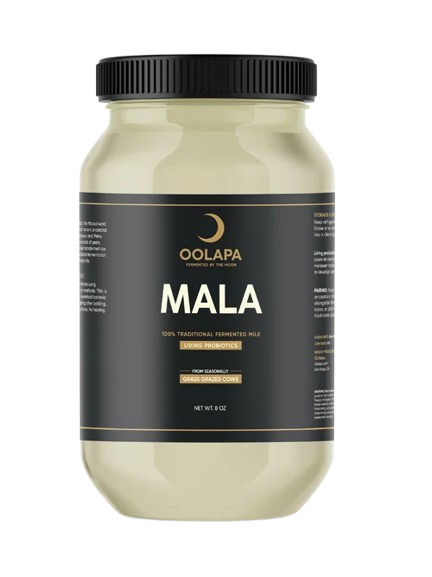
Oolapa Maziwa Mala
Traditional African fermented milk made with raw grass-grazed milk, charcoal fermentation, wild cultures, and living probiotic richness.
You Are Not Just Buying Milk or Meat. You Are Buying What the Animal Ate.
You are standing in the grocery store comparing milk or meat options. One label says grass-fed. Another says organic. A third simply says 100% beef with no qualifiers.
The grass-fed option often costs more, so the question is fair: is it actually worth it, or is this just marketing hype?
The key idea is simple: the animal’s diet influences the composition of the food it produces. Grass-fed and grain-fed products can differ in fatty acid profile, micronutrient density, flavor, and how closely they align with traditional food systems.
The grass-fed difference starts before the product ever reaches your kitchen.
Cattle are ruminants designed to digest fibrous plants. When their diet shifts from pasture to a grain-heavy system, the final milk or meat can shift too.
What Cows Are Designed to Eat
Cattle are ruminants — animals with a specialized four-chambered stomach built to digest fibrous plant material through fermentation.
Natural Forage
For most of their history, cattle consumed grasses, leaves, shrubs, and wild forage.
Fermentation Engine
The rumen works like a fermentation chamber where microbes break down cellulose and convert it into usable nutrients.
Grass, Not Grain
This digestive system is optimized for grass and pasture plants — not a heavy diet of corn, soy, or wheat.
The Rise of Grain-Fed Cattle
Industrial agriculture shifted toward grain-heavy feeding because grain helps cattle gain weight faster and produce more output in less time.
Grass-Fed System
- Cattle graze on pasture and forage.
- Growth is slower and more seasonal.
- Often requires more land and time.
- More aligned with traditional pastoral food systems.
Grain-Fed System
- Cattle are often finished on corn, soy, or other grains.
- Growth and weight gain happen faster.
- Feedlot systems can scale more easily.
- Often creates the marbling modern consumers expect.
Faster growth usually means lower cost — but it may also change nutrition.
A grass-fed cow may take far longer to reach market weight than a grain-fed cow. The industrial benefit is speed and volume. The nutritional question is what gets lost when the animal moves away from its natural diet.
What “Grass-Fed” Actually Means
Food labels can be confusing. These terms sound similar, but they do not always mean the same thing.
Grass-Fed
The animal ate grass for at least part of its life. This does not always guarantee it was grass-fed exclusively or grass-finished.
Grass-Finished
The animal stayed on grass through the final months before slaughter or milk production. This is the strongest standard to look for.
Grain-Finished
The animal may have eaten grass early, then switched to grain for the final months to increase weight and marbling.
Grain-Fed
The animal ate primarily grain for much or all of its life. This is common in conventional feedlot beef and dairy.
Pasture-Raised
The animal had access to pasture, but it may still have been fed grain. Look for pasture-raised plus 100% grass-fed.
The Nutritional Differences: Grass-Fed vs. Grain-Fed
Here are the main ways cattle diet can influence the food on your plate or in your glass.
Omega-3 to Omega-6 Ratio
Grass-fed beef and dairy are often higher in omega-3 fatty acids and lower in omega-6 fatty acids than grain-fed options.
- Grass-fed: more favorable omega balance
- Grain-fed: often higher omega-6 load
- Important for an inflammation-conscious diet
CLA Content
Conjugated linoleic acid, or CLA, is associated with ruminant animals eating grass and is usually higher in grass-fed dairy and beef.
- Often higher in grass-fed products
- Especially concentrated in full-fat dairy
- One reason grass-fed butter and milk matter
Vitamins & Minerals
Grass-fed animal foods can contain higher levels of fat-soluble nutrients such as vitamin A, vitamin E, and vitamin K2.
- Vitamin A from beta-carotene
- Vitamin E support
- Vitamin K2 in full-fat dairy
Antioxidants
Pasture plants contain antioxidant compounds that can carry through into animal tissues and milk.
- Beta-carotene gives yellow color
- Grass-fed butter often looks deeper yellow
- Diverse pasture can mean diverse nutrients
Lean vs. Marbled
Grass-fed beef is usually leaner with less marbling, while grain-fed beef is often fattier and milder because of grain finishing.
- Grass-fed: leaner, more mineral flavor
- Grain-fed: softer, more marbled texture
- Different taste, different nutrition
Grass-Fed Dairy
Grass-fed milk can be richer in beneficial fats and fat-soluble vitamins, especially when consumed as full-fat fermented dairy.
- Higher CLA potential
- Richer yellow-tinted cream
- Better fit for ancestral fermented milk
Want Grass-Fed Benefits in a Traditional Fermented Milk?
Oolapa Maziwa Mala combines raw grass-grazed milk, charcoal fermentation, wild cultures, and time-honored African tradition in one bold living food.
Digestive Health, Environment, Taste, and Cost
The grass-fed conversation is not only about nutrition. It also affects animal health, farming systems, flavor, and affordability.
Digestive Health Connection
Grass fermentation is gentler for ruminants than a heavy grain diet. Healthier animals are more likely to produce higher-quality food.
- Better suited to cattle biology
- Lower stress pasture lifestyle
- More natural gut environment
Environmental Impact
Well-managed pasture systems can support soil health, biodiversity, natural fertilization, and regenerative agriculture.
- Rotational grazing potential
- Less reliance on monoculture grain
- Pasture-based nutrient cycling
Taste Difference
Grain-fed beef is often mild and heavily marbled. Grass-fed beef tastes leaner, more mineral, and more complex.
- Grass-fed: bold and earthy
- Grain-fed: mild and buttery
- Grass-fed dairy is often richer in flavor
The cost question: where should you start?
Grass-fed products cost more because they take more time, land, and management. If your budget is tight, start with grass-fed full-fat dairy — butter, whole milk, yogurt, cheese, kefir, and traditional Maziwa Mala — because these foods concentrate the beneficial fats.
How to Identify Quality Grass-Fed Products
To get the real benefits, read the label carefully and look for stronger language than grass-fed alone.
Labels to Look For
- 100% grass-fed
- Grass-finished
- Certified grass-fed
- Pasture-raised + 100% grass-fed
- Organic + grass-fed
Red Flags
- Grass-fed without grass-finished
- Pasture-raised alone
- No mention of feed
- Heavy sugar in fermented dairy
- Ultra-processed dairy desserts
Questions to Ask
- Is it grass-fed through the final months?
- Is any grain supplemented?
- What do the animals eat in winter?
- Is the milk full-fat?
- Is the dairy fermented traditionally?
Grass-Fed in the Traditional African Context
This conversation matters deeply for traditional Maziwa Mala. African pastoral communities have long relied on cattle grazing freely on native grasses, shrubs, and seasonal pasture.
Traditional Maziwa Mala brings together the four things industrial dairy often removes: grass-grazed milk, raw living enzymes, wild fermentation, and time.
- Grass-grazed milk for a richer natural fat profile
- Raw milk tradition for living food character
- Extended wild fermentation for probiotic depth
- Charcoal fermentation for ancestral process and flavor
Ready to Taste Traditional Maziwa Mala?
Oolapa Maziwa Mala is bold, tangy, alive, and rooted in traditional African fermented dairy.
The Grain-Fed “Frankenmilk” Problem
When milk is pushed through modern industrial systems, it can move far away from traditional dairy.
Industrial Dairy Pattern
- High-output dairy breeds
- Grain-heavy feed systems
- Confinement or indoor operations
- Pasteurization and homogenization
- Short fermentation with selected strains
- Often sweetened, flavored, or processed
Traditional Maziwa Mala Pattern
- Grass-grazed cattle
- Free-roaming pasture lifestyle
- Raw milk tradition
- Wild fermentation ecosystem
- Extended fermentation over time
- Zero added sugar and no commercial shortcuts
One is industrial. One is ancestral.
Oolapa Maziwa Mala is designed for people who want to move beyond ordinary sweetened yogurt and return to a deeper, older, more alive form of fermented dairy.
What About Organic?
Organic is useful, but it is not the same as grass-fed. Organic certification generally focuses on how feed is grown and which inputs are allowed. It does not automatically mean cattle ate grass as their primary diet.
Organic cows can still be fed organic corn and soy. That means an organic dairy product can still come from a grain-heavy system.
The ideal choice: organic and grass-fed.
But if you must prioritize one for nutritional impact, grass-fed usually matters more because feed directly influences fat profile, vitamin content, and the character of the milk.
The Bottom Line
Grass-fed vs. grain-fed is not a tiny difference. It is a shift in animal diet, nutrient quality, farming model, taste, and ancestral alignment.
Grass-Fed Products Are
- Richer in beneficial fatty acids
- More aligned with ancestral diets
- Often higher in fat-soluble nutrients
- Produced by animals eating their natural diet
- Especially valuable in full-fat fermented dairy
Grain-Fed Products Are
- Generally cheaper and easier to find
- Built for speed, scale, and output
- Often higher in omega-6 fats
- Less aligned with ruminant biology
- Common in conventional industrial dairy
Choose grass-fed whenever possible.
Start with grass-fed full-fat dairy because it gives you the most nutritional impact per dollar. Then add grass-finished beef when you can. And if you are serious about gut health and traditional nutrition, seek out products made from grass-grazed milk — like long-fermented kefir, raw grass-fed cheese, and traditional Maziwa Mala.
Your Ancestors Ate Grass-Fed Dairy. You Can Choose It Again.
Discover Oolapa Maziwa Mala — a traditional African fermented milk made with raw grass-grazed milk, charcoal fermentation, wild cultures, and no added sugar.
Frequently Asked Questions
Quick answers about grass-fed milk, grain-fed dairy, grass-finished labels, and Oolapa Maziwa Mala.
What is the difference between grass-fed and grain-fed?
Grass-fed means cattle ate grass or forage for at least part of their life. Grain-fed means cattle ate a grain-heavy diet, often corn or soy, for faster weight gain or higher milk output.
Is grass-finished better than grass-fed?
Grass-finished is usually the stronger label because it means the animal continued eating grass through the final months, when nutrition and fat composition matter most.
Why does grass-fed milk matter for fermented dairy?
Fermented dairy made from grass-fed milk can start with a richer natural fat profile, more fat-soluble nutrients, and a closer connection to traditional pastoral diets.
Is organic the same as grass-fed?
No. Organic relates to feed and farming inputs, but organic cows can still eat organic grain. Grass-fed describes what the animal actually ate.
Why does Oolapa use grass-grazed milk?
Oolapa Maziwa Mala is rooted in traditional African fermented dairy, where cattle grazed on pasture and milk was transformed through raw, wild, extended fermentation.
Where can I buy Oolapa Maziwa Mala?
You can buy Oolapa Maziwa Mala through the official Oolapa product page.
Note: This article is for educational and product discovery purposes only and is not medical advice. Always check the official Oolapa product page for current ingredients, availability, storage guidance, and ordering details.