
UHT Milk: The Shelf-Stable “Milk” That Lasts for Months
UHT milk is convenient, travel-friendly, and shelf-stable for months. But to make milk sit unrefrigerated for that long, it is heated to extreme temperatures and sealed in sterile packaging.
This guide explains what UHT milk is, how ultra-high temperature processing works, what changes inside the milk, and why traditional fermented milk is a better everyday choice for people who want living food.
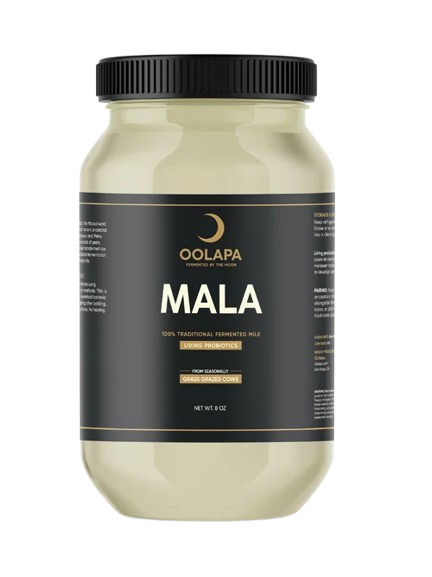
Oolapa Maziwa Mala
Traditional African fermented milk made with raw grass-grazed milk, charcoal fermentation, wild cultures, and living probiotic richness.
Imagine Buying Milk That Does Not Need Refrigeration
You store it in your pantry for six months. When you finally open it, it still smells “fresh” with no obvious spoilage. That is the promise of UHT milk, also called ultra-pasteurized milk, shelf-stable milk, long-life milk, or aseptic milk.
The benefit is obvious: UHT milk is convenient. It travels well, sits in storage, and helps reduce spoilage. But the real question is what had to happen to milk to make it last that long without refrigeration.
UHT stands for Ultra-High Temperature processing. Milk is heated to around 280-302°F (138-150°C) for 2-5 seconds, rapidly cooled, and then packaged in sterile airtight cartons.
UHT milk is not just pasteurized milk with a longer date.
Regular HTST pasteurization uses about 161°F for 15 seconds. UHT processing uses much higher heat, creating commercially sterile milk that does not require refrigeration until opened.
What Is UHT Milk?
UHT milk is milk processed at ultra-high temperature and packed aseptically so it can sit unopened at room temperature.
Ultra-Pasteurized Milk
A common label for milk treated with very high heat to extend shelf life beyond regular pasteurized milk.
Shelf-Stable Milk
Milk packaged so it can remain unrefrigerated until opened, often in Tetra Pak-style cartons.
Long-Life Milk
A consumer-friendly name that highlights convenience and storage time rather than processing intensity.
Aseptic Milk
Milk sealed in sterile packaging after processing to prevent recontamination before opening.
The History of UHT Milk
UHT processing became popular because it solved real storage, transport, and distribution problems.
Refrigeration Limits
Many regions lacked reliable cold chains. Shelf-stable milk made transport easier and helped rural areas access milk.
- Less dependence on refrigerated trucks
- Useful in hot climates
- Better for long-distance shipping
Military & Emergency Needs
Armies, relief groups, and remote operations needed food that could survive storage without refrigeration.
- Emergency food supplies
- Disaster relief
- Remote work and travel use
Global Distribution
UHT processing helped dairy companies ship milk farther and keep it on shelves longer with less waste.
- Long shelf life
- Lower spoilage risk
- More scalable distribution
Europe adopted UHT milk widely. The United States resisted for longer.
In many European countries, UHT milk became normal because of infrastructure, storage habits, smaller refrigerators, and cultural acceptance. In the United States, consumers historically preferred fresh refrigerated milk, though ultra-pasteurized organic milk and shelf-stable cartons have become more common.
The UHT Process: What Actually Happens
UHT milk is not made by one simple heating step. It is a controlled industrial process designed to sterilize and stabilize milk.
Pre-Heating
Milk is pre-heated to around 180-200°F. This removes some air, helps prevent oxidation, and begins protein changes.
Ultra-High Heat
Milk is rapidly heated to around 280-302°F for 2-5 seconds through direct steam injection or indirect heat exchangers.
Homogenization
Milk is forced through tiny openings at high pressure to break fat globules into smaller particles and prevent cream separation.
Aseptic Packaging
The milk is packed in a sterile environment into airtight containers, often multi-layer cartons that block light and oxygen.
Commercial Sterility
The final product contains no active spoilage organisms while sealed, which is why it can sit unopened without refrigeration.
Opened = Refrigerated
Once opened, the package is exposed to air and bacteria. At that point, UHT milk must be refrigerated like regular milk.
What UHT Processing Changes in Milk
Extreme heat and sterile packaging create the shelf-stable benefit, but they also change the living, sensory, and nutritional character of milk.
Good and Bad Bacteria Are Killed
UHT processing is designed to kill pathogenic bacteria, beneficial bacteria, and bacterial spores.
- Commercially sterile while sealed
- No living culture activity
- Long shelf life comes from sterilization
Enzymatic Activity Is Removed
The high heat inactivates milk enzymes such as lactase, lipase, phosphatase, and other delicate compounds.
- No natural enzyme support
- Less “living food” character
- More industrial than traditional
Heat-Sensitive Nutrients Can Decline
Heat-sensitive vitamins such as vitamin C and several B vitamins can be reduced by intensive processing and storage time.
- Water-soluble vitamins are vulnerable
- Storage time can continue degradation
- Fortification may be used to compensate
Whey Proteins Denature
High heat unfolds and changes delicate proteins, contributing to a different texture, digestibility profile, and cooked flavor.
- Protein structure changes
- Maillard reactions may occur
- Flavor becomes less fresh
Fat Structure Is Altered
Heat plus homogenization can change milk fat structure, reduce the fresh cream character, and contribute to a flatter mouthfeel.
- Fat globules are mechanically broken
- Natural cream separation is prevented
- Fresh dairy flavor is reduced
Protective Milk Compounds Are Inactivated
Compounds such as immunoglobulins, lactoferrin, lysozyme, and growth factors are sensitive to heat processing.
- Raw-milk character is lost
- Delicate compounds are heat-sensitive
- Processing becomes the main feature
Want Milk Transformed by Fermentation, Not Sterilization?
Oolapa Maziwa Mala uses raw grass-grazed milk, wild cultures, charcoal fermentation, and traditional time — a richer alternative to shelf-stable, ultra-processed milk.
The Taste Difference: Why UHT Milk Tastes Cooked
One of the most noticeable differences with UHT milk is its cooked, slightly sweet, flat, or cardboard-like flavor. That flavor comes from high heat reactions between milk proteins and sugars.
The same Maillard reaction that browns bread, meat, and onions can also happen in milk under high heat. In dairy, this creates a cooked flavor and makes UHT milk taste less fresh than raw or lightly pasteurized milk.
Your “normal” milk flavor is often cultural.
People raised on UHT milk may find fresh milk too rich or grassy. People raised on fresh milk often find UHT milk cooked or flat. The first milk you grow up with becomes your baseline.
How Does UHT Milk Last So Long?
UHT milk lasts because the milk and the packaging are both engineered to prevent spoilage before opening.
Complete Sterilization
No active bacteria remain to multiply and spoil the milk while the package stays sealed.
Aseptic Packaging
Sterile, airtight cartons block contamination, oxygen, and light exposure that would otherwise degrade milk faster.
No Refrigeration Until Opened
Room-temperature storage works because there are no living spoilage organisms inside the sealed package.
Shelf-stable does not always mean nutritionally fresh.
Even when UHT milk is safe to drink, vitamins, fats, proteins, and flavor can continue to change during long storage. A carton that lasts for months is convenient, but it is not the same as fresh, living dairy.
The Advantages of UHT Milk
To be fair, UHT milk does solve real-world problems. The issue is not whether it is useful; the issue is whether it should be your everyday nutrition choice.
Convenience
No refrigeration is needed until opening, making UHT milk easy to store, stock up, and use while traveling.
Reduced Food Waste
Long shelf life means less spoilage for people who do not use milk quickly or who need backup supplies.
Distribution Benefits
UHT milk can reach remote areas and reduce cold-chain demands during transport and storage.
UHT makes sense for emergencies, camping, remote locations, travel, baking, and office coffee.
But for daily drinking or serious nourishment, choose fresh milk from a trustworthy source or traditionally fermented dairy that preserves a deeper food culture.
The Hidden UHT Problem: Ultra-Pasteurized Organic Milk
Many shoppers choose organic milk because they want something healthier and more natural. But in many cases, organic milk is ultra-pasteurized so it can travel farther and stay on shelves longer.
That creates an irony: you may be paying extra for organic feed and cleaner farming standards, while still buying milk that has been pushed through intense heat processing.
Check the date and the label.
If the carton says “ultra-pasteurized” or the sell-by date is far into the future, you may be looking at UHT or UHT-like milk. For everyday nourishment, fresher local milk or traditional fermented dairy is usually a better fit.
UHT Milk vs. Regular Pasteurized Milk vs. Raw Milk
Here is the simple side-by-side comparison for shoppers deciding what kind of dairy belongs in their kitchen.
| Factor | Raw Milk | Regular Pasteurized Milk | UHT Milk |
|---|---|---|---|
| Heat Treatment | None | About 161°F for 15 seconds | About 280-302°F for 2-5 seconds |
| Beneficial Bacteria | Present when sourced safely | Mostly destroyed | Destroyed |
| Enzymes | Intact | Mostly inactivated | Inactivated |
| Flavor | Rich and complex | Mild and familiar | Cooked, flat, slightly sweet |
| Shelf Life | Short and refrigerated | Weeks refrigerated | Months unopened, unrefrigerated |
| Best Use | Traditional nutrition when legally and safely sourced | Everyday refrigerated dairy | Emergency storage, camping, travel, remote locations |
The verdict: UHT wins on convenience. Traditional fermented milk wins on food culture.
If your priority is pantry storage, UHT milk is useful. If your priority is living dairy, digestive tradition, bold flavor, and ancestral nourishment, Oolapa Maziwa Mala is the better direction.
Traditional Fermented Milk Is the Opposite of Shelf-Stable Sterile Milk
UHT milk uses extreme heat to stop biological activity. Traditional Maziwa Mala uses time, raw grass-grazed milk, wild cultures, and fermentation to create a deeper living food experience.
- UHT milk is engineered to sit on a shelf.
- Maziwa Mala is crafted to ferment, develop, and nourish.
- UHT milk prioritizes convenience and distribution.
- Oolapa prioritizes tradition, culture, and bold fermented flavor.
Ready for Real Fermented Milk?
Oolapa Maziwa Mala is bold, tangy, alive, and rooted in traditional African fermented dairy.
When UHT Milk Makes Sense — and When It Does Not
UHT milk has a place. It just should not be confused with fresh, living, or traditionally fermented dairy.
UHT Makes Sense For
- Emergency preparedness
- Camping and travel
- Remote locations
- Office coffee creamer
- Baking when flavor matters less
Avoid UHT If You Want
- Fresh dairy flavor
- Minimal processing
- Living culture character
- Traditional fermented foods
- Fuller ancestral dairy experience
Choose Instead
- Local pasteurized milk
- Certified raw milk where legal and safe
- Traditional fermented milk
- Plain kefir or yogurt with no added sugar
- Oolapa Maziwa Mala
The Marketing Deception: “Fresh,” “Pure,” and “All-Natural”
UHT milk can be marketed with clean-sounding words like “fresh,” “pure,” “organic,” or “all-natural.” But those words do not tell you how intensely the milk was processed.
The important question is not only where the milk came from. The important question is also what happened to it before it reached your kitchen.
Read the label before buying milk.
Look for the words “UHT,” “ultra-pasteurized,” “aseptic,” or “shelf-stable.” If the carton can sit unrefrigerated for months, it has been processed for convenience first.
The Bottom Line on UHT Milk
UHT milk is an engineering solution, not a traditional food upgrade.
UHT Milk Is
- Extremely convenient
- Shelf-stable before opening
- Useful for emergencies and travel
- Heated at very high temperatures
- Cooked in flavor and sterile in character
Traditional Fermented Milk Is
- Rooted in ancestral food culture
- Developed through time and fermentation
- Bold, tangy, and alive in character
- Made to nourish, not just store
- A better everyday choice for living dairy
Your pantry may need shelf-stable milk. Your gut deserves real fermented food.
Use UHT milk when refrigeration is impossible. But for everyday dairy, move toward fresh milk, clean fermented dairy, and traditional products like Oolapa Maziwa Mala.
Stop Settling for Sterile Convenience. Choose Living Fermentation.
Discover Oolapa Maziwa Mala — traditional African fermented milk made with raw grass-grazed milk, charcoal fermentation, wild cultures, and no added sugar.
Frequently Asked Questions About UHT Milk
Quick answers about ultra-pasteurized milk, shelf-stable milk, long-life milk, and Oolapa Maziwa Mala.
What is UHT milk?
UHT milk is milk processed at ultra-high temperature, usually around 280-302°F for a few seconds, then sealed in sterile packaging so it can stay shelf-stable before opening.
Is UHT milk the same as ultra-pasteurized milk?
UHT milk and ultra-pasteurized milk are closely related terms. Both describe milk treated with much higher heat than regular pasteurized milk to extend shelf life.
Does UHT milk need refrigeration?
Unopened shelf-stable UHT milk does not need refrigeration. Once opened, it must be refrigerated because exposure to air can introduce bacteria.
Why does UHT milk taste cooked?
The cooked flavor comes from high heat reactions between milk proteins and sugars. This can create a slightly sweet, caramelized, flat, or cardboard-like taste.
Is UHT milk good for everyday nutrition?
UHT milk is useful for convenience, emergencies, and travel. For everyday nourishment, many people prefer fresh milk or traditional fermented dairy because they are less focused on extreme shelf stability.
What should I choose instead of UHT milk?
For daily use, consider fresh local milk, certified raw milk where legal and safely sourced, plain fermented dairy, kefir, yogurt, or traditional Maziwa Mala.
Where can I buy Oolapa Maziwa Mala?
You can buy Oolapa Maziwa Mala through the official Oolapa product page.
Note: This article is for educational and product discovery purposes only and is not medical advice. Always check the official Oolapa product page for current ingredients, availability, storage guidance, and ordering details.