
Raw vs. Pasteurized vs. UHT Milk: The Complete Milk Processing Showdown
All milk may start in the same place, but processing changes the final product. Raw, pasteurized, and UHT milk differ in heat exposure, shelf life, flavor, fermentation potential, and safety profile.
This guide breaks down what each process does — and why traditional fermented milk like Oolapa Maziwa Mala is built around a deeper, older relationship with milk, culture, and time.
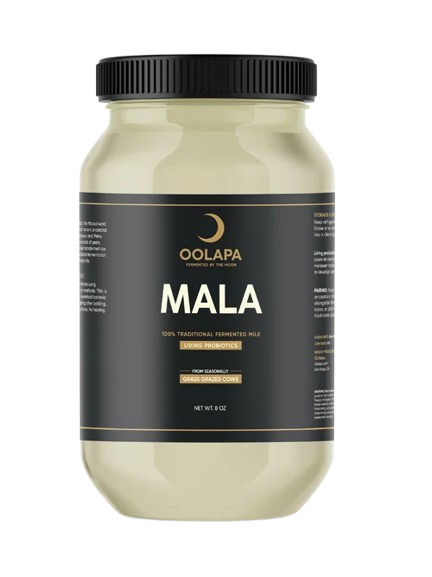
Oolapa Maziwa Mala
Traditional African fermented milk made with raw grass-grazed milk, charcoal fermentation, wild cultures, and no added sugar.
Same Starting Point. Three Very Different Milks.
Stand in front of the dairy case and you will see regular pasteurized milk, organic milk that is often ultra-pasteurized, shelf-stable UHT milk, and sometimes raw milk where local laws allow it.
They all look similar. They are all called milk. But once heat, homogenization, packaging, refrigeration, and fermentation enter the picture, the final experience changes dramatically.
Raw milk is unheated. Pasteurized milk is heated to reduce harmful germs. UHT milk is heated more intensely and packaged aseptically so it can sit unopened without refrigeration for months. Traditional fermented milk takes a different path: it uses culture, time, and controlled souring to transform milk into something tangy, alive in flavor, and rooted in ancestral foodways.
The question is not just “Is it milk?”
The better question is: how was it treated, how fresh is it, how was it fermented, and does it still fit the kind of dairy your body and taste buds are looking for?
Raw vs Pasteurized vs UHT Milk: What Actually Happens?
The difference comes down to heat, time, packaging, storage, and how much microbial life is intentionally reduced before the milk reaches you.
Raw Milk
Process: No heat treatment.
- Filtered and chilled quickly.
- Cream may rise naturally if not homogenized.
- Flavor can vary by season, animal diet, and freshness.
- Must be sourced and handled with extreme care.
Pasteurized Milk
Process: Heated to reduce disease-causing organisms.
- Common HTST method: 161°F / 72°C for 15 seconds.
- Vat method: 145°F / 63°C for 30 minutes.
- Usually refrigerated and often homogenized.
- Standard safety choice for everyday dairy.
UHT Milk
Process: Ultra-high heat plus aseptic packaging.
- Often heated around 280°F / 138°C or higher for a few seconds.
- Packaged in sterilized, sealed containers.
- Can be shelf-stable until opened.
- Most convenient, but often tastes more cooked.
Food safety note
Raw milk can carry harmful germs. Public health agencies including the CDC and FDA recommend pasteurized milk and dairy products as the safer choice, especially for children, pregnant people, older adults, and anyone with a weakened immune system.
The Milk Processing Showdown at a Glance
Here is the simple buyer-friendly comparison for nutrition-minded shoppers, traditional dairy lovers, and anyone deciding between fresh, fermented, and shelf-stable dairy.
| Factor | Raw Milk | Pasteurized Milk | UHT Milk |
|---|---|---|---|
| Heat treatment | None | Moderate heat for a set time | Ultra-high heat for shelf stability |
| Typical storage | Refrigerated immediately | Refrigerated | Room temperature until opened, then refrigerated |
| Flavor | Fresh, rich, seasonal, creamy | Mild, familiar, consistent | More cooked, flatter, sometimes caramelized |
| Safety profile | Most source-dependent and highest-risk if contaminated | Strong everyday safety option | Very high unopened shelf safety because of heat and packaging |
| Convenience | Lowest: short life and local sourcing | Moderate: easy to find, must stay cold | Highest: long unopened shelf life |
| Fermentation fit | Traditional wild fermentation potential, with safety controls needed | Works well with starter cultures | Least traditional; often chosen for convenience |
Six Ways Processing Changes Milk
Heat treatment exists for a reason: safety and shelf life. But different levels of processing also affect the way milk tastes, stores, ferments, and feels in the kitchen.
Living Culture Potential
Raw milk has not been heat-treated, while pasteurization and UHT are designed to reduce or destroy microbes that may cause illness or spoilage.
- Raw: source-dependent microbial ecosystem
- Pasteurized: safer, lower microbial load
- UHT: treated for shelf stability
Native Milk Components
Heat can reduce activity of native enzymes and proteins. The higher and more intense the heat, the more the milk moves away from its raw state.
- Raw: least processed
- Pasteurized: moderate heat impact
- UHT: strongest heat impact
Fresh vs. Cooked Taste
Raw and gently processed milk can taste fresher and creamier. UHT milk often develops a more cooked or caramelized note because of higher heat.
- Raw: seasonal and creamy
- Pasteurized: mild and familiar
- UHT: shelf-stable, cooked profile
Freshness vs. Convenience
The more aggressively milk is processed and packaged, the longer it usually lasts unopened.
- Raw: short refrigerated life
- Pasteurized: refrigerated everyday use
- UHT: months unopened, brand dependent
Traditional Dairy Transformation
Fermentation transforms milk through cultures, acidity, flavor development, and time. This is where Maziwa Mala separates itself from ordinary milk.
- Fermentation can reduce lactose
- Creates tangy flavor and thicker texture
- Connects dairy to ancestral food traditions
Choose by Purpose
Raw, pasteurized, and UHT milk are not always competing for the same job. One is about minimal processing, one about balance, and one about storage.
- Fresh drinking: pasteurized or trusted local options
- Emergency pantry: UHT
- Traditional fermented dairy: Maziwa Mala
Want Milk That Feels Traditional Again?
Oolapa Maziwa Mala is not ordinary supermarket milk. It is bold, tangy, fermented, and rooted in traditional African dairy culture.
Safety: The Part You Should Not Ignore
Raw milk conversations can become emotional. Here is the practical version: source quality matters, but it does not remove all risk.
Raw Milk Risk
Raw milk is not pasteurized, so harmful germs can be present if contamination occurs during milking, handling, transport, or storage.
- Higher-risk groups should avoid raw milk.
- Local laws vary by location.
- Cold chain and testing matter.
Pasteurization Purpose
Pasteurization heats milk to a defined temperature for a defined time to kill harmful organisms of public health concern.
- It is the standard safety step.
- It keeps milk refrigerated.
- It supports consistent dairy distribution.
UHT Purpose
UHT goes further: high heat and aseptic packaging make unopened milk shelf-stable for months, depending on brand and storage conditions.
- Useful for emergencies and travel.
- Refrigerate after opening.
- Convenient but less “fresh” tasting.
Important buyer guidance
If you are pregnant, buying for young children, over 65, immunocompromised, or unsure about your milk source, choose pasteurized dairy and follow official storage guidance. This article is educational and is not medical advice.
Which Milk Should You Choose?
The “best” milk depends on what you value most: traditional processing, safety, convenience, fermentation, taste, or everyday availability.
Choose Raw Milk Only If
- You understand the food-safety risk.
- Your local law allows it.
- You know the source and handling standards.
- You are not in a higher-risk health group.
- You will keep it cold and use it quickly.
Choose Pasteurized Milk If
- You want the everyday safety standard.
- You are buying for family use.
- You want refrigerated fresh milk.
- You are cooking, baking, or making starter-culture yogurt.
- You want wide availability.
Choose UHT Milk If
- You need shelf-stable milk.
- You have limited fridge space.
- You want emergency pantry backup.
- You do not use milk quickly.
- Convenience matters more than fresh flavor.
The Fermentation Factor: Why Maziwa Mala Is Different
Milk by itself is one food. Fermented milk is another. Fermentation changes milk through culture, acidity, time, flavor, and texture.
Yogurt, kefir, laban, amasi, and Maziwa Mala all come from the ancient human habit of letting milk transform. Before refrigeration, fermentation helped preserve dairy. But preservation was only the beginning.
Fermentation can make dairy taste deeper, tangier, and more complex. It can also help break down some lactose, which is one reason many people find fermented dairy easier to enjoy than plain milk. Individual tolerance still varies, and anyone with dairy allergy or medical concerns should follow professional guidance.
Maziwa Mala is not just “milk in a jar.”
It is milk transformed by culture, time, and tradition — the opposite of the sterile, sweetened, ultra-processed dairy experience many people are trying to move away from.
From Processed Milk Back to Traditional Fermented Dairy
Raw vs pasteurized vs UHT is really a conversation about how far milk travels from its original state. Oolapa Maziwa Mala brings the conversation back to traditional African fermentation.
It is for people who want a dairy product with story, tang, texture, and ancestral character — not a shelf-stable carton or a sugar-heavy yogurt cup.
- Grass-grazed milk as the foundation
- Charcoal fermentation for traditional process
- Wild cultures for bold fermented character
- No added sugar for a cleaner dairy experience
Ready to Taste Traditional Maziwa Mala?
Oolapa Maziwa Mala is bold, tangy, culture-rich in character, and rooted in traditional African fermented dairy.
Raw Milk, Pasteurized Milk, UHT Milk, and the Real-World Trade-Off
Each option has a job. The mistake is pretending they are all the same.
Traditional & Fresh
Raw and minimally processed dairy appeal to people who want freshness, seasonal flavor, and a closer connection to the farm.
- Most source-dependent
- Shortest shelf life
- Requires careful handling
Balanced & Practical
Pasteurized milk is the mainstream compromise: safer than raw, fresher tasting than UHT, and easy to find.
- Widely available
- Requires refrigeration
- Works for daily use
Shelf-Stable & Convenient
UHT milk is built for storage. It is useful, but it does not deliver the same fresh or traditional dairy experience.
- Long unopened shelf life
- Pantry-friendly
- More cooked taste
The product opportunity: move from milk education to fermented dairy action.
Once readers understand that processing matters, they are ready for the bigger idea: choose dairy that is intentionally made, culturally rooted, and traditionally fermented. That is exactly where Oolapa Maziwa Mala belongs.
Skip the Ordinary Milk Aisle. Choose Fermented Tradition.
Discover Oolapa Maziwa Mala — a traditional African fermented milk made with grass-grazed milk, charcoal fermentation, wild cultures, and no added sugar.
Frequently Asked Questions
Quick answers about raw milk, pasteurized milk, UHT milk, fermentation, safety, and Oolapa Maziwa Mala.
What is the difference between raw, pasteurized, and UHT milk?
Raw milk is not heat-treated. Pasteurized milk is heated for a defined time to kill harmful organisms. UHT milk is heated at a much higher temperature and packed aseptically so it can stay shelf-stable until opened.
Is raw milk safer than pasteurized milk?
No. Raw milk can carry harmful germs if contaminated. Public health agencies generally recommend pasteurized dairy as the safer choice, especially for higher-risk groups.
Why does UHT milk last so long?
UHT milk is treated with ultra-high heat and sealed in sterile packaging. This allows unopened containers to remain shelf-stable for months, depending on the brand and storage conditions.
Does UHT milk taste different?
Often, yes. Because it is heated more intensely, UHT milk can taste more cooked, caramelized, or flat compared with fresh refrigerated milk.
Why is fermented milk different from regular milk?
Fermentation uses cultures and time to change milk’s flavor, acidity, texture, and character. Traditional fermented milk is tangier, deeper, and culturally distinct from plain milk.
Where can I buy Oolapa Maziwa Mala?
You can buy Oolapa Maziwa Mala through the official Oolapa product page.
Food Safety & Processing Sources
Note: This article is for educational and product discovery purposes only and is not medical advice. Always check the official Oolapa product page for current ingredients, availability, storage guidance, and ordering details. Follow your local laws and official public health guidance for raw and fermented dairy.