
Oolapa Maziwa Mala vs. Kefir: Why Wild Fermentation Wins
Kefir is good. But traditional maziwa mala takes fermented milk to another level through raw grass-fed milk, charcoal fermentation, wild cultures, and time measured in weeks — not hours.
If you already upgraded from sweetened yogurt to kefir, you are on the right path. This guide shows why Oolapa Maziwa Mala is the deeper, older, more ancestral step.
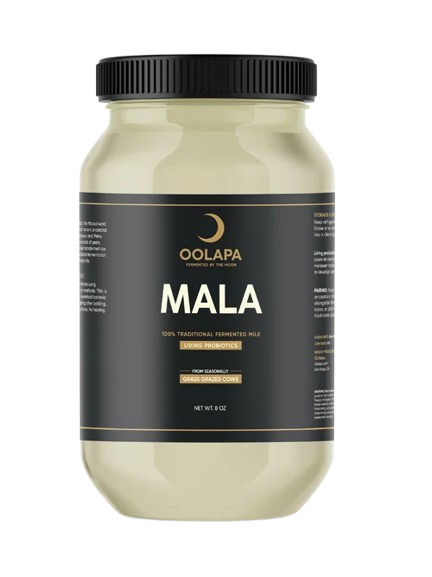
Oolapa Maziwa Mala
Traditional African fermented milk made with raw grass-fed milk, activated charcoal, wild cultures, and extended fermentation.
Kefir Is Good. But There Is Another Level.
Kefir has become one of the most popular fermented dairy drinks in the gut health world — and for good reason. Compared with ordinary commercial yogurt, kefir is usually more diverse, more alive, and more deeply fermented.
It can contain many bacterial strains, beneficial yeasts, and a tart flavor that signals real fermentation. If you already drink kefir instead of sweetened yogurt, you have made a strong upgrade.
But Oolapa Maziwa Mala is built around a different fermentation philosophy: wild cultures instead of controlled cultures, charcoal instead of commercial starters, and extended time instead of fast production.
The big idea: kefir is controlled. Maziwa mala is wild.
Kefir is usually predictable and convenient. Maziwa mala is slower, more variable, and more ancestral — which is exactly why it can feel more alive and complex.
What Kefir Gets Right
Before comparing it with maziwa mala, it is worth acknowledging why kefir deserves its reputation as a better fermented dairy choice than standard yogurt.
Microbial Diversity
Kefir commonly contains a broader mix of bacteria and beneficial yeasts than standard commercial yogurt.
Real Fermentation
Traditional kefir is fermented for hours at room temperature, creating a tangy, living dairy drink.
Better Digestibility
Fermentation helps break down lactose and begins transforming milk into a more digestible food.
Kefir is not the enemy. Industrial yogurt is.
Kefir is a meaningful improvement over sweetened, short-fermented yogurt. Oolapa Maziwa Mala is for people who have already made that upgrade and now want something slower, wilder, and closer to traditional food culture.
Controlled Fermentation vs. Wild Fermentation
These two foods may both be fermented milk, but the process behind them is very different.
Kefir: Controlled Culture Fermentation
- Usually starts with kefir grains or a defined starter culture.
- Ferments quickly, often within 12–48 hours.
- Produces a consistent flavor and texture.
- Works well for everyday convenience.
- Limited to the culture ecosystem in the grains or starter.
Maziwa Mala: Wild Charcoal Fermentation
- Starts with raw grass-fed milk and naturally present cultures.
- Uses activated charcoal as part of the traditional process.
- Ferments over weeks instead of hours.
- Develops deeper flavor, aroma, and texture over time.
- Connects directly to African pastoral food traditions.
Maziwa Mala vs Kefir: The Side-by-Side Comparison
Here is the fast way to understand why Oolapa Maziwa Mala is positioned as kefir’s older, wilder, more complex ancestor.
| Comparison Point | Kefir | Oolapa Maziwa Mala |
|---|---|---|
| Fermentation style | Controlled fermentation using kefir grains or starter cultures. | Wild fermentation using raw grass-fed milk, charcoal, natural cultures, and time. |
| Fermentation time | Usually 12–48 hours. | Developed over weeks for deeper transformation. |
| Flavor | Tangy, tart, slightly yeasty, and generally predictable. | Bold, deeply tangy, earthy, rustic, and batch-alive. |
| Texture | Usually pourable and drinkable. | Can be thicker, richer, and more traditional in mouthfeel. |
| Cultural roots | Ancient fermented dairy from the Caucasus region. | Traditional African fermented milk rooted in pastoral communities. |
| Best for | Daily convenience, easy access, and a beginner-friendly fermented dairy. | People seeking wild fermentation, ancestral nutrition, and maximum traditional depth. |
10 Reasons Wild Maziwa Mala Goes Deeper Than Kefir
Oolapa Maziwa Mala is designed for people who want more than a quick fermented drink. It is for people who want a slow, living, ancestral dairy food.
Wild, Not Standardized
Kefir is culture-led. Maziwa mala is environment-led, drawing from the milk, vessel, charcoal, air, and time.
- Less industrial control
- More traditional variation
- Living batch character
Weeks vs. Hours
Kefir is fast. Maziwa mala is patient. Extended fermentation gives the milk more time to transform.
- Kefir: quick fermentation
- Maziwa mala: extended development
- Time creates depth
More Pre-Digested
Longer fermentation gives bacteria more time to work on lactose and proteins, creating a food that many people find easier to enjoy.
- Fermentation reduces lactose
- Proteins begin breaking down
- Start small if new to it
Ancestral Process
Oolapa uses activated charcoal as part of the traditional fermentation environment, creating a signature process kefir does not use.
- Charcoal fermentation
- Traditional African method
- Distinctive flavor profile
Not One-Note Sour
Kefir can taste tart and simple. Maziwa mala develops a deeper tang with earthy, rustic, and layered notes.
- Bold tang
- Earthy depth
- Traditional food character
Closer to Tradition
Maziwa mala begins with raw grass-fed milk, aligning with the way many pastoral communities historically fermented dairy.
- Grass-fed milk base
- Traditional dairy heritage
- Not a sweetened yogurt drink
Each Batch Has Personality
Commercial foods aim to taste identical every time. Wild fermented foods can shift with season, milk, and fermentation time.
- Small-batch character
- Seasonal nuance
- More alive, less uniform
No Added Sugar
Oolapa Maziwa Mala is built around fermentation and flavor, not sugar, syrups, or dessert-style dairy processing.
- No added sugar
- Not flavored yogurt
- Fermentation-forward taste
African Fermented Milk
Kefir is valuable, but maziwa mala carries African pastoral food wisdom that has stayed closer to its traditional roots.
- African food heritage
- Pastoral dairy tradition
- Older than modern wellness trends
Slow Food, Not Fast Food
Maziwa mala is not rushed to fit an industrial clock. It is a slow, living food made for people who value process.
- Time-intensive
- Small-batch mindset
- Fermentation as craft
Better Upgrade Path
Move from yogurt to kefir, then from kefir to maziwa mala when your palate is ready for the next level.
- Yogurt → kefir
- Kefir → maziwa mala
- Convenience → tradition
Wild Fermentation Wins
For people seeking the boldest traditional fermented dairy experience, Oolapa Maziwa Mala is built to go beyond kefir.
- Wild cultures
- Charcoal process
- Extended fermentation
Ready to Go Beyond Kefir?
Discover Oolapa Maziwa Mala — traditional African fermented milk made with raw grass-fed milk, charcoal fermentation, wild cultures, and no added sugar.
When to Choose Kefir vs. When to Choose Oolapa Maziwa Mala
You do not have to hate kefir to love maziwa mala. Each has a place. The question is what level of fermentation you want.
Choose Kefir If
- You are new to fermented dairy.
- You want something easy to find.
- You prefer a predictable flavor.
- You want a simple daily upgrade from yogurt.
- You need convenience and affordability first.
Choose Maziwa Mala If
- You want wild, ancestral fermentation.
- You value raw grass-fed milk traditions.
- You appreciate bold, complex flavor.
- You want a food made slowly, not rushed.
- You are ready to go deeper than kefir.
Best Strategy
- Use kefir as a convenient baseline.
- Add Oolapa for a wild fermentation boost.
- Rotate with other fermented foods.
- Start with a small serving.
- Let your palate adjust to the tang.
Why Wild Fermentation Cannot Be Rushed
Modern food production wants speed, consistency, long shelf life, and mass production. Wild fermentation asks for the opposite: patience, variation, observation, and respect for living food systems.
That is why true maziwa mala is rare. It does not fit neatly into an industrial formula. It depends on raw milk, charcoal, natural microbes, time, and the skill to know when the batch has reached its character.
- Slow process for deeper transformation
- Wild cultures for natural complexity
- Charcoal fermentation for ancestral method
- Small-batch variation for living food character
Taste the Wild Difference
Bold, tangy, living fermented milk rooted in African tradition and crafted for people who want more than ordinary kefir.
How to Enjoy Oolapa Maziwa Mala
Oolapa Maziwa Mala is more intense than kefir, so treat it like a traditional fermented food, not a sweet drink.
Start Small
Begin with a small spoonful or small serving, especially if you are new to wild fermented dairy.
- Let your palate adjust
- Use it like a potent fermented food
- Increase slowly if desired
Pair With Real Food
Enjoy it with traditional meals, savory bowls, roasted foods, or as a tangy dairy side.
- Not a dessert yogurt
- Works with savory meals
- Excellent as a bold food ritual
Use as a Kefir Upgrade
Keep kefir for convenience, then use Oolapa Maziwa Mala when you want the deeper traditional experience.
- Rotate your fermented foods
- Use 2–3 times per week
- Let wild fermentation lead
The Bottom Line: Kefir Is Excellent. Maziwa Mala Is Exceptional.
If you drink kefir, you are already choosing a better fermented dairy option than ordinary sweetened yogurt. Kefir has earned its place.
But if you want to experience what fermentation becomes when given more time, more traditional method, and more wild microbial character, try Oolapa Maziwa Mala.
Kefir is the gateway. Maziwa mala is the next level.
Not because kefir is bad — but because wild fermentation, charcoal, raw grass-fed milk, and extended time create something modern shortcuts cannot replicate.
Welcome to the Next Level of Fermentation.
Order Oolapa Maziwa Mala today and experience traditional African fermented milk made with wild cultures, charcoal fermentation, raw grass-fed milk, and time.
Frequently Asked Questions
Quick answers about Maziwa Mala vs kefir, wild fermentation, charcoal fermentation, and buying Oolapa Maziwa Mala.
Is maziwa mala the same as kefir?
No. Both are fermented milk, but kefir is usually made with kefir grains or defined cultures, while traditional maziwa mala uses wild fermentation, raw milk tradition, charcoal, and extended time.
Why is Oolapa Maziwa Mala different from kefir?
Oolapa Maziwa Mala is made as a traditional African fermented milk using raw grass-fed milk, activated charcoal, wild cultures, and slow fermentation rather than a quick controlled culture process.
Is kefir still good for you?
Kefir can be an excellent fermented dairy choice, especially compared with sweetened commercial yogurt. Oolapa Maziwa Mala is for people who want a deeper wild-fermented and ancestral option.
What does maziwa mala taste like?
Maziwa mala is usually bold, tangy, earthy, and complex. It can be more intense than kefir because it is fermented longer and has a more rustic traditional character.
How should I start with Oolapa Maziwa Mala?
Start small, especially if you are new to wild fermented dairy. Try a small spoonful or small serving first, then increase gradually as your palate adjusts.
Where can I buy Oolapa Maziwa Mala?
You can buy Oolapa Maziwa Mala through the official Oolapa product page: https://oolapa.com/products/oolapa-maziwa-mala-100-fermented-milk
Note: This article is for educational and product discovery purposes only and is not medical advice. Fermented foods affect people differently. Always check the official Oolapa product page for current ingredients, availability, storage guidance, allergen information, and ordering details.