
Real Milk vs. Fake Milk: Why Oat, Almond, and Soy “Milk” Aren’t Milk at All
Walk into any coffee shop and the menu looks endless: regular milk, oat milk, almond milk, soy milk, coconut milk, cashew milk, macadamia milk, and more.
Plant-based “milk” is marketed as a healthy dairy alternative. But most of these products are not milk. They are ultra-processed beverages engineered to look, pour, and foam like milk.
Real milk—especially traditionally fermented milk—belongs in a completely different nutrition category.
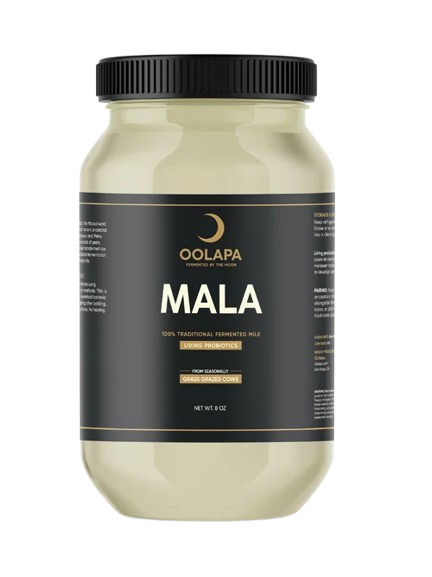
Oolapa Maziwa Mala
Traditional African fermented milk made for people who want real dairy nutrition, deep fermentation, living cultures, and a whole-food alternative to processed plant beverages.
The Big Marketing Trick: Calling It “Milk”
The word “milk” makes oat, almond, and soy beverages feel nutritionally equal to dairy. But they are not the same thing.
Real milk is the natural lacteal food produced by mammals. Plant-based beverages are made by blending plant material with water, straining much of the whole plant away, then adding oils, gums, synthetic vitamins, minerals, stabilizers, flavorings, and heat processing.
That does not automatically make every plant beverage “bad.” But it does mean the comparison should be honest: real milk is a nutrient-dense whole food, while most fake milks are engineered beverages.
The simplest test
Check the ingredient list. Real milk is usually one ingredient: milk. Fake milk often needs water, oils, gums, salts, synthetic vitamins, mineral powders, enzymes, flavorings, and stabilizers just to imitate what milk naturally provides.
What Fake Milk Usually Needs
- Added oils for creaminess.
- Gums and stabilizers for texture.
- Synthetic vitamins to look nutritious.
- Mineral powders for calcium claims.
- Heat treatment for shelf stability.
- Marketing language to create a health halo.
Oat Milk, Almond Milk, and Soy Milk Under the Microscope
Each plant-based beverage starts with a small amount of plant material and a lot of water. Then processing does the rest.
Oat Milk
Oat milk is usually made from water, oats, added oil, synthetic vitamins, minerals, salt, and stabilizers. Industrial enzymes break oat starches into sugars, which creates the sweet taste many people associate with oat milk.
Almond Milk
Almond milk is often mostly water with a small percentage of almonds. After straining, much of the almond fiber, protein, and fat is removed. What remains is lightly flavored water that needs fortification to appear nutritious.
Soy Milk
Soy milk typically contains more protein than oat or almond beverages, but it is still processed through soaking, grinding, cooking, straining, fortification, stabilization, and heat treatment.
The result is not the same as milk.
These drinks can look like milk, pour like milk, and foam in coffee. But nutritionally, they are not equal to real milk—especially not to traditional fermented milk with living cultures and a real food matrix.
The Nutritional Comparison: Real Milk vs. Fake Milk
This is where the difference becomes clear. Real milk naturally contains complete protein, dairy fats, minerals, and a food matrix that plant beverages try to copy through processing.
| Nutrient / Feature | Whole Real Milk | Almond Beverage | Oat Beverage | Soy Beverage |
|---|---|---|---|---|
| Protein | Complete dairy protein with whey and casein. | Very low protein; not a meaningful protein source. | Modest protein and not naturally equivalent to milk. | Higher protein than oat or almond, but still processed. |
| Fat | Naturally occurring dairy fat with fat-soluble nutrients. | Often uses added oils for texture. | Often uses rapeseed, sunflower, or similar oils for creaminess. | Contains soy fat and may include added oils. |
| Calcium | Naturally present in the milk matrix. | Usually added as a mineral fortifier. | Usually added as a mineral fortifier. | Usually fortified to imitate dairy nutrition. |
| B12 | Naturally found in animal-source foods. | Typically synthetic fortification. | Typically synthetic fortification. | Typically synthetic fortification. |
| Beneficial Bacteria | Present in fermented milk such as kefir and Maziwa Mala. | None unless separately fermented or fortified. | None unless separately fermented or fortified. | None unless separately fermented or fortified. |
| Processing Level | Minimal to moderate, depending on source and preparation. | Often ultra-processed. | Often ultra-processed. | Processed and fortified. |
The bottom line
Real milk is naturally nutrient-dense. Fake milk is usually nutritionally sparse until manufacturers add synthetic nutrients back in. That is not the same thing as getting nutrients from a whole-food milk matrix.
Why Real Milk Wins Nutritionally
The real difference is not just taste. It is protein quality, fat quality, calcium form, sugar source, and gut-health value.
The Protein Problem
Real milk provides complete protein with all essential amino acids. Almond milk is usually too low in protein to matter, oat milk is modest, and soy milk is higher but still part of a processed beverage system.
The Fat Difference
Real milk contains naturally occurring dairy fat. Fake milks often rely on added vegetable oils to create the mouthfeel people expect from milk.
The Calcium Deception
A fake milk label may show calcium, but it is often added as fortification. Real milk carries calcium naturally within a complete food matrix that also contains protein, phosphorus, and other cofactors.
The Sugar Problem
Oat milk can taste naturally sweet because enzymes break starch into sugars during processing. Many “original” plant beverages also contain added sweeteners.
The Gut Health Difference
This is where fermented real milk stands far apart from fake milk.
Oat, almond, and soy beverages typically contain no living probiotic cultures, no traditional fermentation, and no living-food complexity unless they are specially fermented after processing.
Fermented dairy, on the other hand, is created through microbial transformation. Traditional fermented milk can bring beneficial bacteria, fermentation acids, enzymes, peptides, and a food matrix that supports a serious gut-health routine.
That is the Oolapa difference.
Oolapa Maziwa Mala is not trying to imitate milk. It is real fermented milk—made for people who want living cultures, traditional fermentation, and a deeper daily food ritual.
Real Milk. Real Fermentation.
Choose a traditional fermented milk that belongs in your gut-health routine—not a watered-down plant beverage built with oils, gums, and fortification.
The Ingredient List Test
A simple ingredient list usually tells the truth faster than a front-label marketing claim.
Real Milk
- Milk.
- Sometimes vitamin D, depending on product.
- No need for gums to imitate creaminess.
- No need for oils to mimic dairy fat.
- No need to engineer the taste of milk.
Typical Almond Beverage
- Water plus a small amount of almonds.
- Calcium fortifier.
- Salt and buffering ingredients.
- Gums or lecithin for texture.
- Synthetic vitamins added back in.
Typical Oat Beverage
- Water and oats.
- Added oil for creaminess.
- Phosphate or mineral additives.
- Salt and stabilizers.
- Synthetic vitamins for label appeal.
The pattern is obvious.
Real milk is naturally milk. Fake milk has to be built in a factory to act like milk. That is why comparing them as equals can mislead people who are trying to make a genuinely nourishing choice.
The Sustainability Claim Needs Nuance
Plant-based beverages are often promoted as automatically better for the planet. The reality is more complicated.
Industrial almond, oat, and soy production can involve large monocultures, irrigation, pesticides, long supply chains, heavy processing, packaging, and heat treatment. Industrial dairy also has real environmental problems.
The better question is not simply “plant or dairy?” The better question is: How was this food produced?
Production method matters.
Pasture-based, grass-fed, small-scale, and traditionally fermented dairy is very different from industrial factory dairy. In the same way, homemade nut milk is very different from shelf-stable ultra-processed fake milk.
Ask Better Questions
- Is it a whole food or ultra-processed?
- How many ingredients does it need?
- Are nutrients natural or added?
- Does it contain living cultures?
- Is it truly nourishing or just well marketed?
When Plant-Based Beverages Do Make Sense
This article is not saying everyone must drink dairy. Some people have real reasons to avoid it. The problem is pretending fake milk is nutritionally the same as real milk.
Dairy Allergy
People with a true dairy allergy need to avoid dairy. In that case, plant-based beverages may be useful replacements.
Ethical Veganism
People who avoid all animal products for ethical reasons may choose plant-based beverages as part of that lifestyle.
Lactose Sensitivity
Some people who struggle with regular milk may tolerate fermented dairy better because fermentation reduces lactose and changes the food matrix.
But do not confuse “dairy-free” with “more nutritious.”
A beverage can be dairy-free and still be ultra-processed. It can be plant-based and still be mostly water, oils, gums, and synthetic nutrients.
The Better Alternative: Real Fermented Milk
If you tolerate dairy and want a truly nourishing choice, fermented real milk is hard to beat.
Fermentation changes milk in a meaningful way. It reduces lactose, develops acidity, transforms flavor, supports living cultures, and creates a food with more depth than ordinary milk or processed plant beverages.
That is why traditional fermented milk has survived across cultures for generations. It was not designed in a lab to mimic milk. It was developed through time, microbes, and food wisdom.
Whole Food Base
Starts with real milk, not watered-down plant slurry.
Fermentation
Microbial transformation creates living-food value.
Daily Ritual
Easy to build into a consistent gut-health routine.
Why Choose Oolapa?
- Traditional African fermented milk.
- Real dairy food, not fake milk.
- Made for a serious gut-health routine.
- Supports a whole-food lifestyle.
- Perfect upgrade from oat, almond, and soy beverages.
Stop Replacing Real Food With Engineered Imitations.
Discover Oolapa Maziwa Mala—traditional African fermented milk for people who want real dairy nutrition, living cultures, and a deeper alternative to fake milk.
Frequently Asked Questions
Quick answers about real milk, fake milk, plant-based beverages, and fermented milk.
Is oat milk actually milk?
No. Oat milk is a plant-based beverage made from oats and water, often with added oils, enzymes, stabilizers, minerals, and synthetic vitamins to imitate milk.
Is almond milk healthier than real milk?
Not necessarily. Many almond beverages are mostly water and contain very little almond nutrition after straining. They often rely on fortification to look nutritionally similar to milk.
Does soy milk have more protein than other fake milks?
Yes, soy beverages usually contain more protein than oat or almond beverages. However, they are still processed and fortified, while real milk naturally provides complete dairy protein.
Why is fermented milk different from regular milk?
Fermentation allows beneficial microbes to transform milk. This can reduce lactose, change flavor, create acidity, and add living-culture value that ordinary plant beverages do not provide.
Can lactose-sensitive people drink fermented milk?
Some people who do not tolerate regular milk may tolerate fermented dairy better because fermentation reduces lactose. Anyone with a true dairy allergy should avoid dairy and consult a qualified professional.
Where can I buy Oolapa Maziwa Mala?
You can buy Oolapa Maziwa Mala through the official Oolapa product page linked in this article.
Note: This article is for educational and product discovery purposes only. It is not medical advice. If you have a dairy allergy, medical condition, or specific dietary restriction, speak with a qualified healthcare professional. Always check the official Oolapa product page for current ingredients, availability, storage instructions, and ordering information.