
The History of Fake Milk: How Plant-Based Beverages Became a Multi-Billion Dollar Industry
In 2008, oat milk barely existed in American grocery stores. By the 2020s, plant-based milk had become a mainstream category that reshaped the dairy aisle.
But this is not just a story about innovation. It is a story about marketing, wellness trends, coffee culture, and the growing distance between consumers and real food.
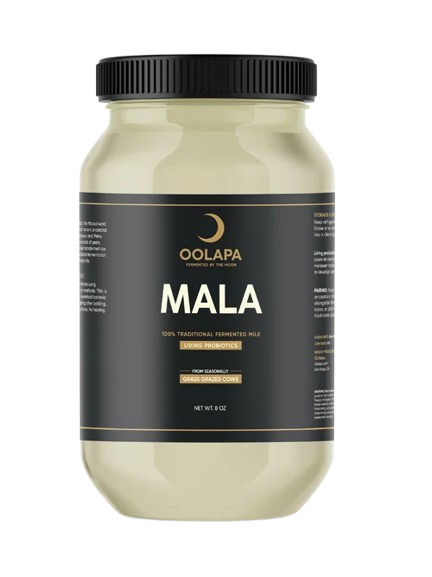
Oolapa Maziwa Mala
A traditional African fermented milk made for people who want whole, living, nutrient-dense dairy instead of ultra-processed milk alternatives.
Plant-Based Milk Was Not Born Yesterday
Plant-based milk alternatives feel modern, but the idea is ancient. Soy milk has roots in China going back more than 2,000 years, where soaked soybeans were ground with water and strained into a drinkable liquid.
For centuries, soy milk served practical needs. It worked in cultures where dairy farming was less common, where lactose intolerance was widespread, and where Buddhist vegetarian traditions encouraged plant-based foods.
The modern fake milk boom, however, did not happen because consumers suddenly discovered an ancient tradition. It happened because companies learned how to package water, plants, oils, stabilizers, sweeteners, and fortification into a product that felt healthy, ethical, and trendy.
The real question
How did beverages made mostly from water become premium products in the dairy aisle? The answer is not only nutrition. It is branding, cultural timing, and a powerful story about what people wanted their food choices to say about them.
What This Blog Covers
- The ancient origins of soy milk.
- How health food stores introduced plant milk to the West.
- Why Silk, almond milk, and oat milk broke into the mainstream.
- The marketing playbook behind fake milk.
- Why real fermented dairy still has a stronger food story.
From Ancient Soy Milk to the Oat Milk Craze
Plant-based beverages moved from tradition to counterculture to billion-dollar business. The biggest shift was not the recipe. It was the marketing.
Soy Milk Begins
Soy milk became part of Chinese food culture as a practical drink, tofu base, breakfast beverage, and dairy-free option in regions where cow milk was not central.
Health Food Store Era
Soy milk entered Western natural food circles as a vegetarian, lactose-free, low-saturated-fat alternative, but taste and availability kept it niche.
Silk Goes Mainstream
Silk changed the game by moving soy milk into the dairy aisle, improving taste, fortifying nutrients, and marketing it to mainstream shoppers.
Almond Milk Wins
Almond milk benefited from anti-soy concerns, lower-calorie positioning, clean-label perception, and heavy marketing from major almond brands.
Coffee Shops Normalize It
Starbucks, specialty cafes, and barista culture made dairy alternatives feel normal. Ordering an oat milk latte became a lifestyle signal.
The Real Food Counter-Movement
As shoppers read labels more carefully, many are returning to whole, traditional, nutrient-dense foods like fermented dairy.
How Fake Milk Became Mainstream
Plant-based milk did not win only because of taste. It won because the industry made it feel modern, ethical, healthy, and convenient.
Grocery Store Placement
Silk’s big move was placement. Instead of remaining in health food stores, soy milk appeared in the dairy aisle beside cow milk. That made it feel like a direct replacement.
Taste Engineering
Early soy milk had a beany, chalky taste. Later brands improved texture, sweetness, and mouthfeel so the product felt more familiar to Western shoppers.
Health Halo Marketing
Plant-based sounded wholesome. Labels highlighted lactose-free, cholesterol-free, low saturated fat, vitamins, and minerals, even when products relied on fortification.
Lifestyle Identity
Oat milk became more than a beverage. It became a signal of taste, values, sustainability, wellness, and modern food culture.
The Almond Milk Takeover
Almond milk surged after soy milk’s health halo started to fade. Consumers worried about soy, phytoestrogens, GMOs, and overly processed soy ingredients. Almonds, by contrast, sounded clean and familiar.
Brands positioned almond milk as lighter, lower in calories, versatile, and better aligned with wellness culture. Premium packaging and coffee-shop use helped make it feel less like a compromise and more like a lifestyle upgrade.
The clever part
Almond milk did not need to compete with real milk on protein or nutrient density. It competed on perception: light, clean, modern, and plant-based.
Then Oat Milk Took the Crown of Cool
Oat milk’s rise came from coffee culture. It steamed better than many alternatives, tasted creamy in lattes, and gave baristas a dairy-free option that felt indulgent instead of watery.
Oatly’s marketing leaned into irreverent branding, sustainability messaging, scarcity, and cultural buzz. The result was a plant-based beverage that felt less like a substitution and more like a trend people wanted to join.
Choose Fermentation Over Formulation
Oolapa Maziwa Mala is built on traditional fermentation, not flavor engineering. It is for people who want real milk transformed by time, culture, and craft.
How Fake Milk Became “Better” in Consumers’ Minds
The plant-based milk boom is one of the strongest examples of how food marketing can reshape an entire category.
Environmental Guilt
- Plant-based brands framed dairy as harmful to the planet.
- The message was simple: plants good, cows bad.
- The reality is more complex, especially with regenerative dairy.
Health Halo
- Plant-based sounded automatically healthier.
- Marketing highlighted low saturated fat and lactose-free benefits.
- Many products still rely on gums, oils, sugars, and synthetic fortification.
Ethical Appeal
- Vegan messaging helped attract ethically motivated shoppers.
- Factory farming concerns made dairy easier to attack.
- Small pasture-based dairies were often left out of the story.
Coffee Culture
- Lattes made alternative milks feel familiar.
- Oat milk performed well for foam and texture.
- Cafes turned dairy alternatives into status symbols.
Convenience
- Shelf-stable packaging made plant milk easy to stock.
- Longer shelf life reduced friction for stores and shoppers.
- Convenience helped shoppers overlook ingredient lists.
Identity Branding
- Plant-based milk became part of wellness identity.
- Packaging looked clean, modern, and Instagram-friendly.
- Buying it said something about who the shopper wanted to be.
Fake Milk vs. Real Fermented Dairy
Plant-based beverages can be useful for some people, but they are not the same as traditional dairy foods.
Most Plant-Based Milk
- Often mostly water.
- May include oils, gums, stabilizers, and added flavors.
- Often fortified to appear nutritionally comparable.
- Usually low in protein unless specially formulated.
- Designed for convenience, consistency, and shelf appeal.
Oolapa Maziwa Mala
- Made from real dairy.
- Rooted in traditional African fermentation.
- Positioned as a whole, living fermented food.
- Created through time, culture, and natural transformation.
- Made for people seeking real food, not fake milk marketing.
The choice is not just dairy vs. plant-based.
The deeper choice is between formulated convenience and traditional food wisdom. Fake milk became powerful because it told a compelling story. Fermented dairy has an older, stronger story: real milk transformed by living cultures.
The Dairy Industry Tried to Fight Back
As plant-based milk grew, the dairy industry pushed back with “real milk” campaigns and labeling arguments. Some groups argued that only animal lactation should be called milk, while plant-based brands defended common terms like almond milk and oat milk.
But the stronger response was not lawsuits. It was quality. Better dairy means reminding people what real milk can be when it comes from good sourcing, traditional preparation, and fermentation.
This is where fermented dairy wins.
Real fermented dairy does not need to pretend to be something else. It offers a living food tradition with texture, tang, microbial transformation, and deep cultural roots.
The Cracks in the Fake Milk Empire
As plant-based milk matured, the novelty began to wear off. Consumers started comparing labels more carefully. Some noticed low protein, added oils, gums, sugars, and the gap between “plant-based” marketing and actual nutrition.
Plant-based milk will likely remain popular, especially in coffee shops and for people avoiding dairy. But the automatic assumption that plant-based means healthier is becoming harder to maintain.
Why Shoppers Are Returning to Real Food
- They are reading ingredient labels more closely.
- They are questioning ultra-processed foods.
- They want nutrient density, not just clever branding.
- They value tradition, sourcing, and food culture.
- They want foods that feel real, not engineered.
Ready to Leave Fake Milk Behind?
Discover Oolapa Maziwa Mala — traditional African fermented milk made for people who want real dairy, living cultures, and a deeper food tradition in their daily routine.
The Verdict: A Marketing Triumph, Not a Nutritional Revolution
The rise of plant-based milk proves that a strong story can change consumer behavior faster than nutrition facts can.
In just a few decades, plant-based milk companies convinced millions of shoppers to pay premium prices for products often made from water, plant ingredients, oils, stabilizers, flavors, and added vitamins.
They succeeded because they tapped into wellness culture, sustainability concerns, vegan ethics, coffee trends, and lifestyle identity. Fake milk became a symbol of being modern, conscious, and health-aware.
But symbolism is not the same as nourishment. And a modern package does not automatically make a food more complete than the traditions people relied on for centuries.
The real lesson: know your food.
Read the label. Ask how it is made. Ask whether it is a whole food or a formulated product. If you want dairy, choose dairy with purpose. If you want fermentation, choose a food shaped by living cultures and time.
Try Oolapa Maziwa Mala
Whole, traditional, fermented dairy for people who want something fake milk can never offer: real milk transformed by living fermentation.
Frequently Asked Questions
Quick answers about fake milk, plant-based beverages, and real fermented dairy.
What is fake milk?
Fake milk is a common informal term for plant-based beverages such as almond milk, oat milk, soy milk, coconut milk, and similar products that are marketed as milk alternatives.
Why did plant-based milk become so popular?
Plant-based milk became popular because of a mix of lactose-free demand, vegan and flexitarian diets, wellness marketing, sustainability messaging, coffee shop adoption, and modern lifestyle branding.
Is oat milk the same as real milk?
No. Oat milk is a plant-based beverage made from oats and water, often with added oils, stabilizers, flavors, or vitamins. Real milk comes from dairy animals and has a different nutrient profile and food tradition.
Why are people questioning plant-based milk now?
Many shoppers are reading labels more closely and noticing that some plant-based milks are low in protein, highly processed, fortified with added nutrients, or made with gums, oils, sugars, and stabilizers.
How is fermented dairy different from plant-based milk?
Fermented dairy starts with real milk and is transformed by cultures over time. Plant-based milk is usually a formulated beverage designed to imitate the look, use, or texture of dairy milk.
Where can I buy Oolapa Maziwa Mala?
You can buy Oolapa Maziwa Mala online through the official Oolapa product page.
Note: This article is written for educational and product discovery purposes. It is not medical advice. Always check the official Oolapa product page for current product details, ingredients, availability, storage guidance, and ordering information.