
A1 vs. A2 Protein: Why the Type of Cow Actually Matters
You cut out gluten. You avoid processed foods. You eat “healthy.” But dairy still leaves you bloated, uncomfortable, or inflamed.
The problem may not be lactose alone. It may be the type of beta-casein protein in your milk — and that is where A1 vs. A2 dairy changes the conversation.
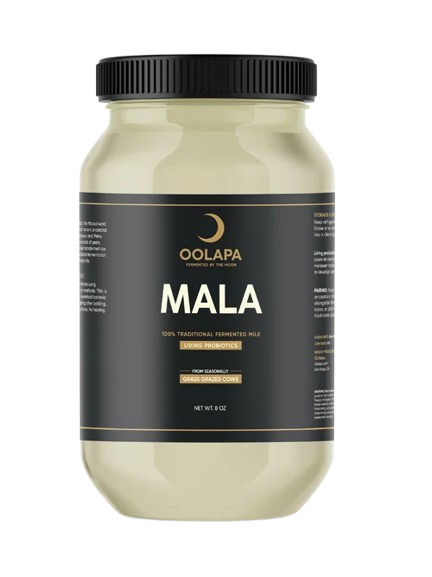
Oolapa Maziwa Mala
Traditional African fermented milk made with raw grass-grazed milk, charcoal fermentation, wild cultures, and time measured in weeks and months.
One Amino Acid. A Very Different Dairy Experience.
Milk contains whey and casein. Casein makes up most of milk protein, and beta-casein appears mainly as A1 or A2. The difference comes down to a single amino acid at position 67.
A2 Beta-Casein
A2 is often described as the original form of milk beta-casein and is found in goats, sheep, camels, humans, many traditional cattle breeds, and many African and Asian cattle breeds.
- Has proline at position 67
- Does not easily release BCM-7 during digestion
- Common in goat, sheep, camel, and many heritage dairy sources
A1 Beta-Casein
A1 is common in modern high-volume dairy systems, especially dairy from many Holstein and Friesian cows used in industrial milk production.
- Has histidine at position 67
- Can release BCM-7 during digestion
- May trigger digestive discomfort in sensitive individuals
The simple idea
Many people blame lactose for every dairy reaction. But some people may be reacting to how A1 protein digests — especially because A1 can release BCM-7, a peptide associated with digestive discomfort and inflammatory responses in sensitive people.
The BCM-7 Problem
When A1 beta-casein is digested, the histidine at position 67 allows digestive enzymes to cut the protein chain and release a peptide called BCM-7, or beta-casomorphin-7.
BCM-7 is an opioid peptide, meaning it can have morphine-like activity in the body. Not everyone reacts strongly to it, but for sensitive people it may contribute to digestive discomfort, bloating, slower gut motility, mucus production, and inflammatory responses.
A2 beta-casein behaves differently because proline at position 67 makes that enzymatic cut far less likely. That is why A2 dairy can feel very different from conventional dairy for some people.
Lactose Intolerance
- Problem: milk sugar
- Cause: low lactase enzyme
- Common symptoms: gas, bloating, diarrhea
A1 Protein Sensitivity
- Problem: A1 beta-casein digestion
- Cause: BCM-7 release
- Common symptoms: bloating, constipation, mucus, discomfort, inflammation
Signs You May Be Sensitive to A1 Dairy
These symptoms often overlap with lactose intolerance, which is why many people never realize the protein type may be part of the problem.
Digestive Bloating
Gas, bloating, or pressure after regular milk or conventional yogurt.
Cramping or Discomfort
A heavy, irritated, or unsettled feeling after dairy.
Constipation or Loose Stools
Changes in gut transit after drinking regular milk.
Inflammation Signals
Joint discomfort, skin issues, or general inflammatory responses.
Brain Fog or Headaches
A cloudy or heavy feeling after eating certain dairy foods.
Mucus Production
Sinus congestion, post-nasal drip, or extra mucus after dairy.
Want dairy that has already been transformed by time?
Oolapa Maziwa Mala is long-fermented, tangy, living, and rooted in traditional African dairy culture.
Why Most Commercial Dairy Is A1
Modern dairy production was built for volume. Holstein cows became dominant because they produce a lot of milk — but much of that milk comes from A1-producing genetics.
High Output
Industrial dairy selected cows for maximum milk volume.
Holstein Dominance
Holstein and Friesian genetics became the commercial dairy standard.
A1 Prevalence
Conventional milk in the US and Europe is often from A1-producing cattle.
Less Tradition
Speed replaced slow fermentation, microbial diversity, and heritage methods.
Long Fermentation Helps Break Down the Dairy Proteins People Struggle With.
During fermentation, bacterial enzymes break down milk components, including proteins. The longer the fermentation, the more transformation can happen before the dairy reaches your gut.
Short Fermentation
4–12 hours, like many commercial yogurts. Minimal protein breakdown. A1 and BCM-7 concerns may remain.
Medium Fermentation
24–48 hours, like some kefir. More protein breakdown and often better tolerance for sensitive people.
Extended Fermentation
Weeks to months, like traditional Maziwa Mala. Proteins are more deeply transformed by bacterial activity.
The Maziwa Mala Advantage
Traditional Maziwa Mala addresses the A1 issue from several angles: long fermentation, traditional dairy sources, charcoal fermentation, and a living bacterial ecosystem.
1. Extended fermentation breaks down proteins
Weeks to months of fermentation means bacterial enzymes have more time to pre-digest milk proteins, including beta-casein. That can make the final food easier to tolerate than standard milk.
2. Traditional sources often lean A2
Many African cattle breeds are naturally A2. When Maziwa Mala is made from A2-producing cattle and then fermented for a long time, it offers a double advantage: better protein type plus deeper fermentation.
3. Charcoal fermentation adds traditional depth
The charcoal method is part of the ancestral process and contributes to the distinctive character of traditional Maziwa Mala.
4. Living cultures keep working
Wild fermentation creates a living ecosystem that supports digestion and gives Maziwa Mala its bold, tangy, deeply traditional profile.
Ready to Try the Fermentation Upgrade?
Choose Oolapa Maziwa Mala if you want traditional fermented dairy made with wild cultures, charcoal fermentation, raw grass-grazed milk, and time.
Which Animals Produce A2 Dairy?
A2 is common in many traditional dairy animals. A1 is most common in many modern commercial dairy cattle lines.
100% A2
Goats, sheep, camels, water buffalo, yaks, and human milk.
Mostly A2 Cattle
Guernsey, many Jersey cows, some Brown Swiss, and many African and Asian cattle breeds.
Mostly A1 Cattle
Holstein/Friesian cattle and Ayrshire cattle are commonly associated with A1 dairy.
Mixed Genetics
Individual cows can be genetically tested, and breeding programs can select for A2 genetics.
How to Know If You Are A1 Sensitive
A simple elimination and comparison test can help you notice whether your body responds differently to regular dairy versus A2 or long-fermented dairy.
Eliminate Dairy
Remove all dairy for two weeks and note digestion, inflammation, energy, skin, and sinus changes.
Try A1 Dairy
Reintroduce regular milk or yogurt and pay attention to symptoms over the next 48 hours.
Compare With A2
After a few days, try A2 milk, goat milk, sheep milk, or long-fermented dairy and compare your response.
Important note
This is not medical advice. If you have a dairy allergy, severe digestive symptoms, or a medical condition, speak with a qualified healthcare professional before testing dairy foods.
What to Choose Instead of Conventional Dairy
If regular milk does not agree with you, you may not need to abandon dairy completely. You may need a better dairy strategy.
Try A2 Milk
Look for A2 cow milk, Jersey or Guernsey dairy, or tested A2 producers.
Use Goat or Sheep Dairy
Goat and sheep milk are naturally A2 and often easier to digest.
Ferment Longer
Longer fermentation improves dairy transformation and digestibility.
Choose Traditional Foods
Prioritize raw or minimally processed, traditionally fermented dairy.
Rotate Dairy Types
Include cow, goat, sheep, camel, or fermented options for diversity.
Start with the traditional option built around time.
Oolapa Maziwa Mala brings together extended fermentation, living cultures, and traditional African dairy wisdom.
The Bigger Picture
The A1 vs. A2 story is not only about dairy proteins. It is also about how industrial food production changed dairy from what many humans consumed traditionally.
Traditional Dairy
- Raw or minimally processed
- Often from A2-producing animals
- Fermented for extended periods
- Full of living beneficial bacteria
Modern Industrial Dairy
- Heavily processed and standardized
- Often from high-volume A1-producing cattle
- Minimally fermented, if fermented at all
- Designed for speed, shelf life, and volume
We did not necessarily become intolerant to all dairy. In many cases, the dairy changed. That is why traditional, long-fermented foods like Maziwa Mala deserve a closer look.
Do Not Give Up on Dairy Before You Try the Traditional Route.
Discover Oolapa Maziwa Mala — a bold, tangy, living fermented milk made with raw grass-grazed milk, wild cultures, charcoal fermentation, and time.
Frequently Asked Questions
Quick answers about A1 vs. A2 protein, dairy sensitivity, and traditional Maziwa Mala.
What is the difference between A1 and A2 protein?
A1 and A2 are two forms of beta-casein, a major milk protein. The key difference is one amino acid at position 67: A2 has proline, while A1 has histidine.
Why can A1 milk bother some people?
During digestion, A1 beta-casein can release BCM-7, a peptide that may contribute to digestive discomfort, slower gut motility, mucus production, or inflammatory responses in sensitive people.
Is A1 sensitivity the same as lactose intolerance?
No. Lactose intolerance is a problem with milk sugar and low lactase enzyme. A1 sensitivity is related to the digestion of A1 beta-casein protein.
Which dairy animals produce A2 milk?
Goats, sheep, camels, water buffalo, yaks, and humans produce A2 milk. Many Guernsey, Jersey, African, and Asian cattle breeds also produce mostly A2 milk.
How does fermentation help with dairy digestion?
Fermentation allows bacteria and enzymes to break down milk components, including lactose and proteins. Longer fermentation can make dairy more transformed before you eat it.
Why choose Oolapa Maziwa Mala?
Oolapa Maziwa Mala is a traditional African fermented milk made with raw grass-grazed milk, charcoal fermentation, wild cultures, and extended fermentation for a bold living food experience.
Note: This article is written for educational and product discovery purposes only and is not medical advice. Always check the official Oolapa product page for current product details, availability, ingredients, storage guidance, and ordering information.