
The Ugly Truth About Yogurt And Why Your “Healthy” Choice Might Be Failing Your Gut
Walk into any grocery store and the yogurt aisle screams wellness: “Probiotic!” “Live Cultures!” “Gut Health!” But most commercial yogurt is not the living food people think it is.
Many products are built for shelf stability, sweetness, texture, and mass appeal — not real fermentation depth. If your gut deserves living food, it may be time to look beyond yogurt.
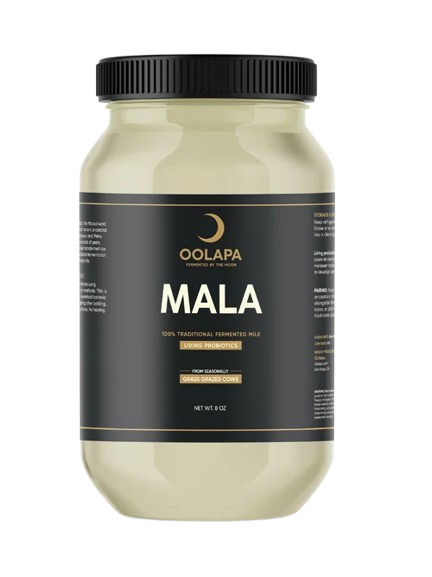
Oolapa Maziwa Mala
Traditional African fermented milk made with raw grass-grazed milk, charcoal fermentation, wild cultures, and time — not shortcuts.
Commercial Yogurt Looks Healthy. But Is It Really Alive?
Yogurt has been marketed as the ultimate wellness snack. The problem is that many commercial products are built more for branding than biological value.
The label may say “live and active cultures.” The packaging may promise gut health. But many commercial yogurts are processed, sweetened, stabilized, and optimized for shelf life.
Real fermented food should be alive, diverse, and transformed by time. That is where many mainstream yogurts fall short — and where traditional fermented milk like Maziwa Mala offers a very different approach.
The uncomfortable truth
Commercial yogurt is not necessarily evil. But it is often mediocre: low in microbial diversity, high in sugar, thickened for texture, and designed to survive distribution more than support your gut.
The “Live and Active Cultures” Problem
The wording on a yogurt label can be technically true while still being deeply misleading.
Double Heating
Some products are heated again after fermentation to extend shelf life, which can reduce or destroy the beneficial bacteria people expect.
Short Fermentation
Fast processing can create yogurt-like thickness without the depth, diversity, and transformation of long fermentation.
Low Diversity
Many commercial yogurts rely on a small number of standardized cultures instead of a broad, wild microbial ecosystem.
Texture is not the same as transformation.
Thick dairy can feel like yogurt, but the real value of fermented food comes from living cultures, fermentation time, microbial diversity, and the compounds created during transformation.
Why Probiotic Counts Can Be Misleading
A few million bacteria may sound impressive until you remember that the human gut contains trillions of bacteria.
Often Limited
Many products contain only a few standardized bacterial strains and are designed for consistency, not microbial complexity.
Diverse + Alive
Foods made through longer, wilder fermentation can carry broader microbial diversity and deeper fermented character.
Commercial Yogurt Often Focuses On
- Standardized starter cultures.
- Predictable texture.
- Mass-market flavor.
- Fast production cycles.
- Long shelf stability.
Traditional Maziwa Mala Focuses On
- Wild fermentation.
- Raw milk transformation.
- Living microbial diversity.
- Time measured in weeks or months.
- No commercial shortcuts.
The Stomach Acid Problem
Even when yogurt contains live bacteria, those bacteria still have to survive the journey through the stomach. Stomach acid is designed to kill potentially harmful microbes before they reach the intestines.
Some standardized yogurt cultures may not be especially resilient. Traditional fermented foods with broader bacterial ecosystems and longer fermentation may offer more biological diversity, which can increase the chance that some strains survive the journey.
This is one reason real fermentation matters. The goal is not just to add bacteria to milk. The goal is to transform the food into something living, complex, and resilient.
Hidden Gut-Wreckers in Commercial Yogurt
Poor fermentation is only one issue. Many yogurt products also contain ingredients that work against the gut-health message.
Added Sugar
Many flavored yogurts are loaded with sugar. Sugar can feed unwanted bacteria and yeasts, undermining the gut-health goal.
Thickeners
Carrageenan, modified starches, pectin, and gums are often used to create texture without giving fermentation enough time.
Difficult Dairy
Some people struggle with conventional dairy proteins and processing methods, especially when the product is heavily industrialized.
Read the label before trusting the health claim.
A yogurt can be marketed as probiotic while still containing sugar, thickeners, stabilizers, and processing choices that reduce its value as a living fermented food.
The Reseeding Myth
Many people imagine gut health like planting a garden: eat yogurt, add bacteria, and the new bacteria move in permanently. But the gut is a highly territorial ecosystem.
Your existing microbiome does not simply allow newcomers to colonize easily. Fermented foods may help in a different way: by changing the gut environment and supporting conditions that encourage beneficial bacteria already present in your body.
For that to matter, the fermented food should be genuinely alive, diverse, and properly transformed — not just thickened dairy with a probiotic marketing claim.
What to Eat Instead of Average Yogurt
If you love yogurt, you do not have to abandon it. But you should become more selective — and expand your fermentation options.
Choose Carefully
Look for plain, unsweetened, full-fat yogurt. Choose grass-fed when possible and look for small producers with longer fermentation times.
Kefir
Plain, unsweetened kefir can offer broader microbial diversity than many commercial yogurts and works well in smoothies.
Raw Sauerkraut
Raw, refrigerated sauerkraut can bring living cultures, fiber, and plant nutrients. Avoid shelf-stable pasteurized versions.
Maziwa Mala
Traditional African fermented milk made with wild fermentation, raw milk tradition, and time — bold, tangy, alive, and deeply cultural.
Avoid Added Sugar
Choose fermented foods that are not loaded with sweeteners. Sugar can work against the gut-health goal.
Choose Living Food
Prioritize foods that are alive, fermented with time, and made by producers who care about transformation over shortcuts.
Why Oolapa Maziwa Mala Is Different
Oolapa Maziwa Mala is not trying to imitate supermarket yogurt. It is rooted in a traditional African fermented milk method built on raw grass-grazed milk, charcoal fermentation, wild cultures, and time.
It contains no added sugar, no artificial flavor shortcuts, and no commercial-culture standardization. The flavor is bold because the fermentation is real. The tang is intense because the milk has transformed.
If commercial yogurt feels too sweet, too mild, or too processed, Maziwa Mala offers a more ancestral, living-food experience.
Try Real Living Fermented Milk
Oolapa Maziwa Mala delivers traditional tang, living probiotics, wild fermentation, and a deeper food story than ordinary commercial yogurt.
Yogurt vs Kefir vs Maziwa Mala
Different fermented foods serve different purposes. The real question is whether the food is alive, diverse, and properly fermented.
Average Commercial Yogurt
- Often sweetened and flavored.
- May rely on limited starter cultures.
- Designed for shelf life and consistency.
- Often mild, standardized, and mass-market.
- Requires careful label reading.
Traditional Maziwa Mala
- Wild fermentation.
- Raw grass-grazed milk tradition.
- Charcoal fermentation method.
- No added sugar or commercial shortcuts.
- Bold tang and living fermented character.
Give your gut living food.
Your gut contains trillions of bacteria that influence digestion, immunity, mood, and overall wellness. They deserve more than flash-fermented, sugar-loaded, double-heated pseudo-yogurt.
Ready to Move Beyond Ordinary Yogurt?
Oolapa Maziwa Mala is traditional African fermented milk made with wild fermentation, raw grass-grazed milk, charcoal fermentation, zero added sugar, and real living tang.
Frequently Asked Questions About Yogurt and Maziwa Mala
Quick answers for readers comparing commercial yogurt with traditional African fermented milk.
Is commercial yogurt bad for gut health?
Not always, but many commercial yogurts are sweetened, highly processed, low in microbial diversity, or optimized for shelf life instead of living fermentation.
What should I look for in a better yogurt?
Choose plain, unsweetened, full-fat yogurt. Grass-fed, goat, sheep, or longer-fermented small-batch options are often better choices.
How is Maziwa Mala different from yogurt?
Maziwa Mala is traditional African fermented milk made through slow wild fermentation. It is not based on commercial yogurt cultures, added sugar, or fast industrial processing.
Does Oolapa Maziwa Mala contain added sugar?
No. Oolapa Maziwa Mala is positioned as a traditional fermented milk with no added sugar and a naturally bold tangy flavor.
Is kefir better than yogurt?
Kefir often contains a broader mix of bacteria and yeasts than standard yogurt, especially when it is plain and unsweetened. But traditional Maziwa Mala offers a different ancestral fermented milk experience.
Where can I buy Oolapa Maziwa Mala?
You can buy Oolapa Maziwa Mala online through the official Oolapa website and product page.