
Yogurt vs. Kefir vs. Maziwa Mala: The Ultimate Fermented Milk Showdown
The fermented dairy aisle has exploded: yogurt, Greek yogurt, skyr, kefir, cultured buttermilk — and now, traditional Maziwa Mala.
But what is actually different? Is it all just marketing, or are there real distinctions that matter for your gut health, digestion, and daily wellness?
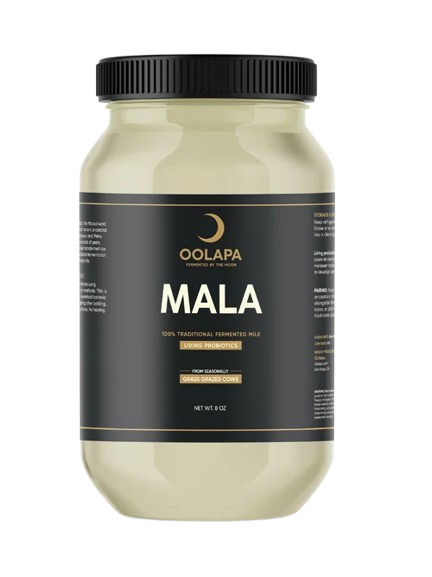
Oolapa Maziwa Mala
A living, traditional African fermented milk made with raw grass-grazed milk, charcoal fermentation, wild cultures, and time measured in weeks and months.
Three Fermented Milk Traditions. Three Very Different Results.
Yogurt, kefir, and Maziwa Mala may all come from fermented milk, but their process, culture, taste, and gut-health impact are not the same.
Yogurt
Thick, spoonable, mild, and widely available. Yogurt is usually made by adding selected bacterial cultures to heated milk.
- Commercial starter cultures
- Usually fermented for 4–12 hours
- Mild tang and creamy texture
- Often sweetened or flavored
Kefir
Thin, tangy, and sometimes slightly fizzy. Kefir is made with kefir grains, a living culture of bacteria and beneficial yeasts.
- Kefir grains / SCOBY culture
- Usually fermented for 12–48 hours
- More probiotic diversity than yogurt
- Drinkable and naturally tart
Maziwa Mala
Bold, alive, and deeply traditional. Maziwa Mala is made through wild fermentation with charcoal and time measured in weeks or months.
- Wild fermentation
- Charcoal fermentation method
- Weeks to months of transformation
- Complex, tangy, living character
These are not just different textures.
Yogurt, kefir, and Maziwa Mala are fundamentally different foods because their fermentation methods, microbial diversity, digestibility, flavor, and cultural meaning are different.
Round-by-Round Comparison
Here is how yogurt, kefir, and Maziwa Mala compare across the categories that matter most.
Fermentation Method
Yogurt uses commercial starter cultures and controlled heat. Kefir uses reusable grains. Maziwa Mala relies on raw milk, charcoal fermentation, wild cultures, and the longest fermentation timeline.
Probiotic Content
Yogurt often has a small number of strains. Kefir offers far more diversity. Maziwa Mala takes it further with extended wild fermentation and a broader living ecosystem.
Digestibility
All three are easier to digest than plain milk, but extended fermentation gives Maziwa Mala the deepest lactose breakdown and strongest enzyme activity.
Taste & Texture
Yogurt is mild and spoonable. Kefir is tart and drinkable. Maziwa Mala is the boldest, most complex, and most intensely tangy.
Nutritional Benefits
All three provide protein and calcium, but extended fermentation may create more bioavailable nutrients, beneficial compounds, and probiotic density.
Gut Health Impact
Yogurt can be limited. Kefir is a strong upgrade. Maziwa Mala offers the highest diversity, longest fermentation, and strongest overall gut-health potential.
Accessibility & Cost
Yogurt is the easiest and cheapest to find. Kefir is increasingly accessible. Maziwa Mala remains specialized and premium because the process takes time.
Cultural Significance
All three carry deep ancestral value. Yogurt, kefir, and Maziwa Mala each represent food traditions worth preserving and respecting.
The Verdict: Which One Should You Choose?
The right answer depends on your goals, taste preferences, and how far you want to go on the fermentation ladder.
Choose Yogurt If…
- You are new to fermented foods and want something mild.
- You prefer a thick, spoonable texture.
- Budget is a primary concern.
- You want something widely available.
- You need high protein, especially Greek yogurt.
Choose Kefir If…
- You want significantly more probiotics than yogurt.
- You prefer a drinkable consistency.
- You want lower lactose than standard yogurt.
- You want beneficial yeasts as part of the culture.
- You want good gut health benefits without extreme tang.
Choose Maziwa Mala If…
- You want maximum probiotic diversity and density.
- You are serious about transforming your gut health.
- You appreciate traditional, ancestral foods.
- You are willing to adapt to intense tang.
- You value cultural authenticity and living foods.
The ideal approach? Rotation.
Why choose just one? Your gut thrives on diversity. Use Maziwa Mala or kefir as your primary probiotic source, enjoy plain unsweetened yogurt occasionally for convenience, and add raw sauerkraut or kimchi for even more microbial variety.
The Bottom Line
If ranking purely on gut-health benefits, Maziwa Mala comes out on top because of its maximum probiotic diversity, density, digestive benefits, and extended wild fermentation.
Maziwa Mala
Maximum probiotic diversity, density, and digestive benefits.
Kefir
Excellent probiotic content and digestibility.
Yogurt
Helpful, but often limited unless long-fermented and unsweetened.
Still, health is not everything. Accessibility, affordability, and personal preference matter too. The best fermented food is the one you will actually eat consistently.
Ready to Try Maziwa Mala?
Oolapa Maziwa Mala preserves a traditional African fermentation method with raw grass-grazed milk, charcoal fermentation, wild cultures, and living probiotics.
Compare Less. Taste More.
Discover Oolapa Maziwa Mala — a living traditional African fermented milk made with raw grass-grazed milk, charcoal fermentation, and bold probiotic richness.
Frequently Asked Questions
Quick answers about yogurt, kefir, and traditional Maziwa Mala.
What is the main difference between yogurt and kefir?
Yogurt is usually made with a small number of bacterial starter cultures, while kefir is made with kefir grains that contain a broader mix of bacteria and beneficial yeasts.
How is Maziwa Mala different from yogurt and kefir?
Maziwa Mala is a traditional African fermented milk made through wild fermentation with charcoal, raw milk, and extended fermentation times measured in weeks or months.
Which fermented milk has the most probiotics?
According to this comparison, Maziwa Mala offers the greatest probiotic diversity and density because of its wild and extended fermentation process.
Is kefir easier to digest than yogurt?
Often yes. Kefir usually has lower lactose and more diverse microbes than standard yogurt, making it easier to digest for many people.
Why is Maziwa Mala considered better for gut health?
Maziwa Mala stands out for its wild fermentation, higher microbial diversity, longer fermentation time, and deeper digestive transformation.
Where can I buy Oolapa Maziwa Mala?
You can buy Oolapa Maziwa Mala online through the official Oolapa website and product page.